|
"The development of the child...answers in miniature to the development of mankind as a whole."
– Ellen Key "Play is space in which the unpredictable can happen." - Juliet Kinchin |
|
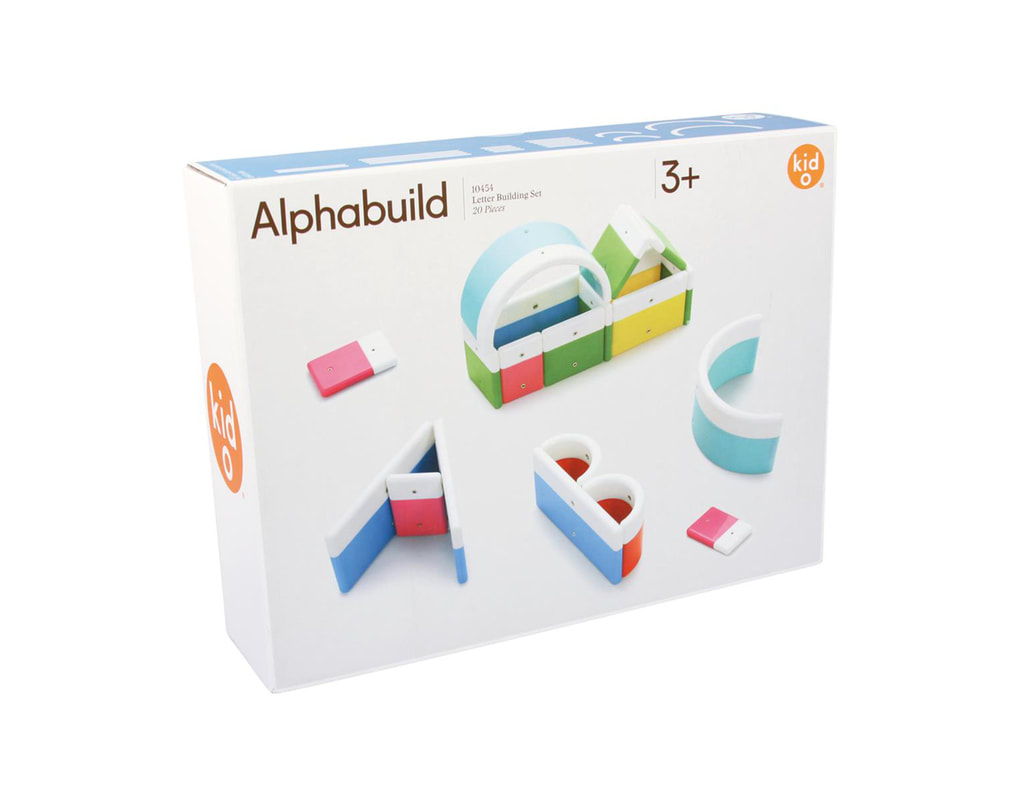
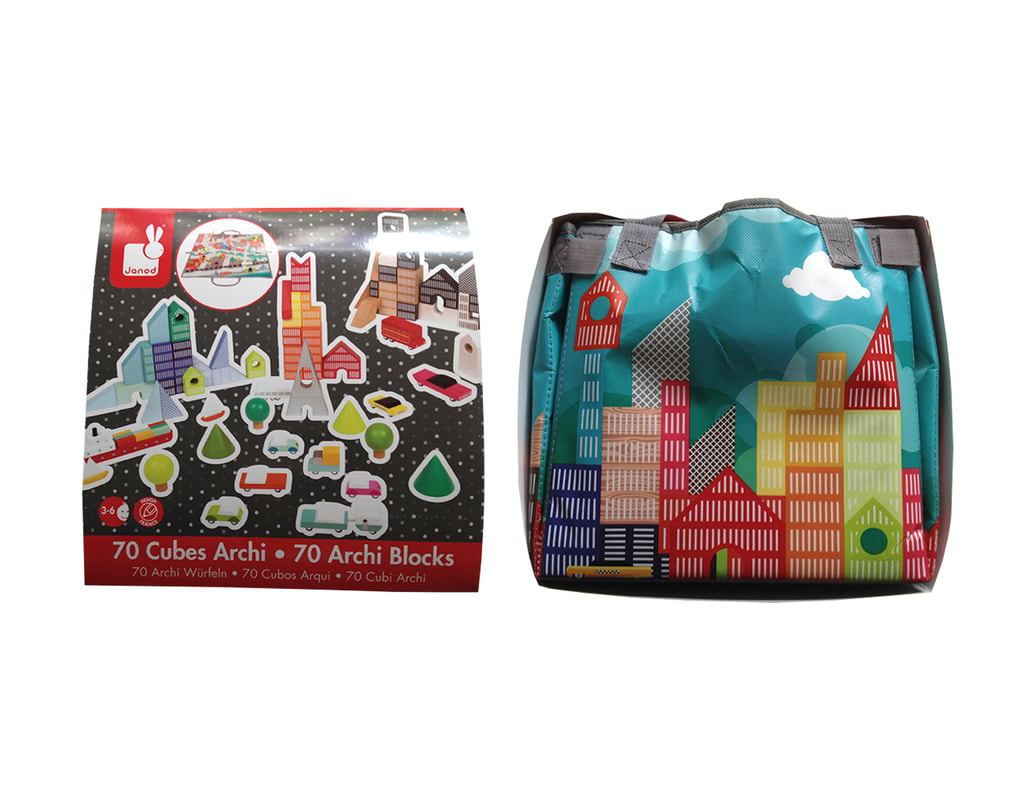
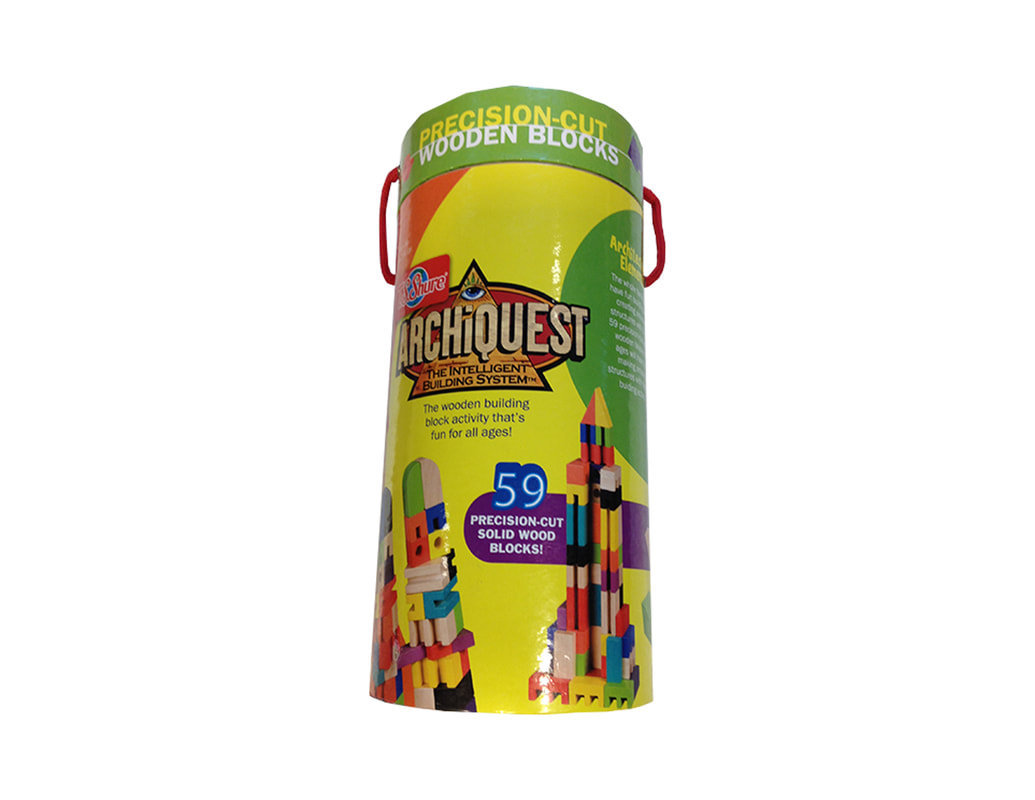
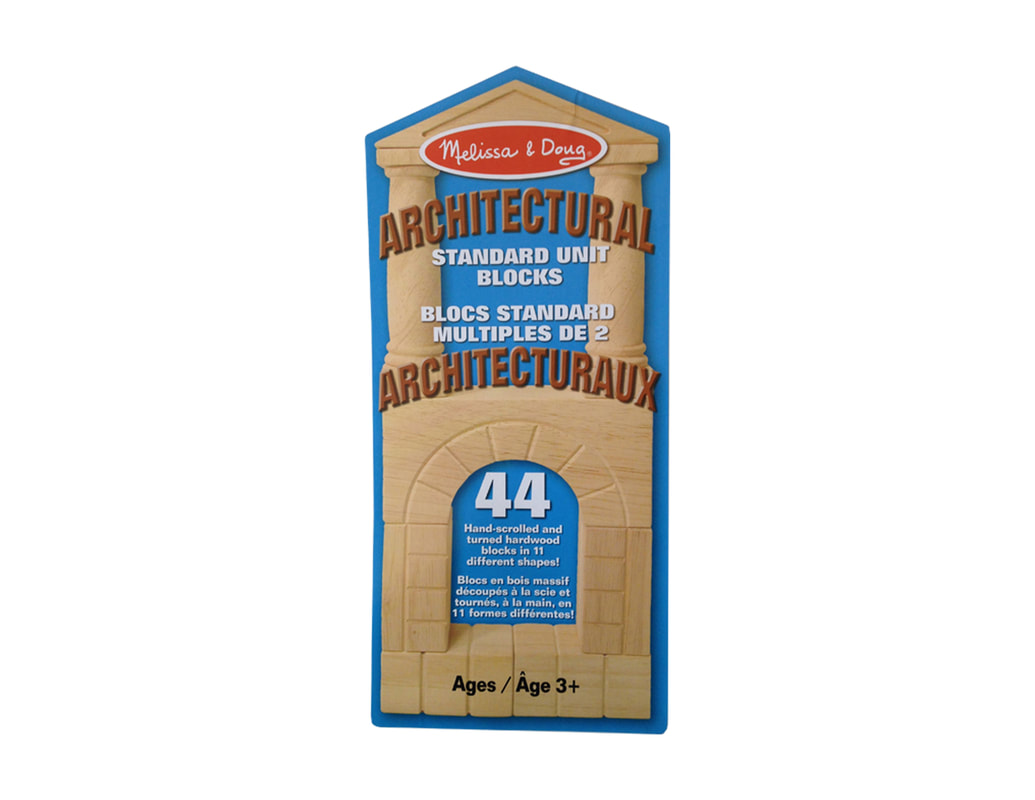
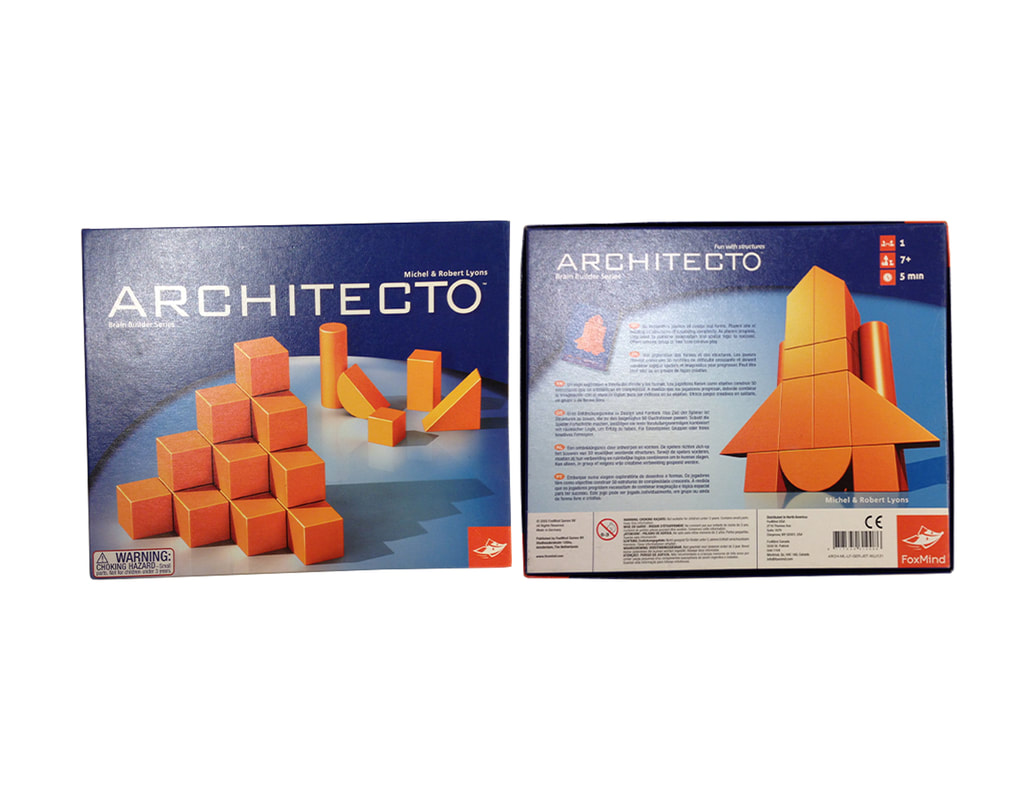
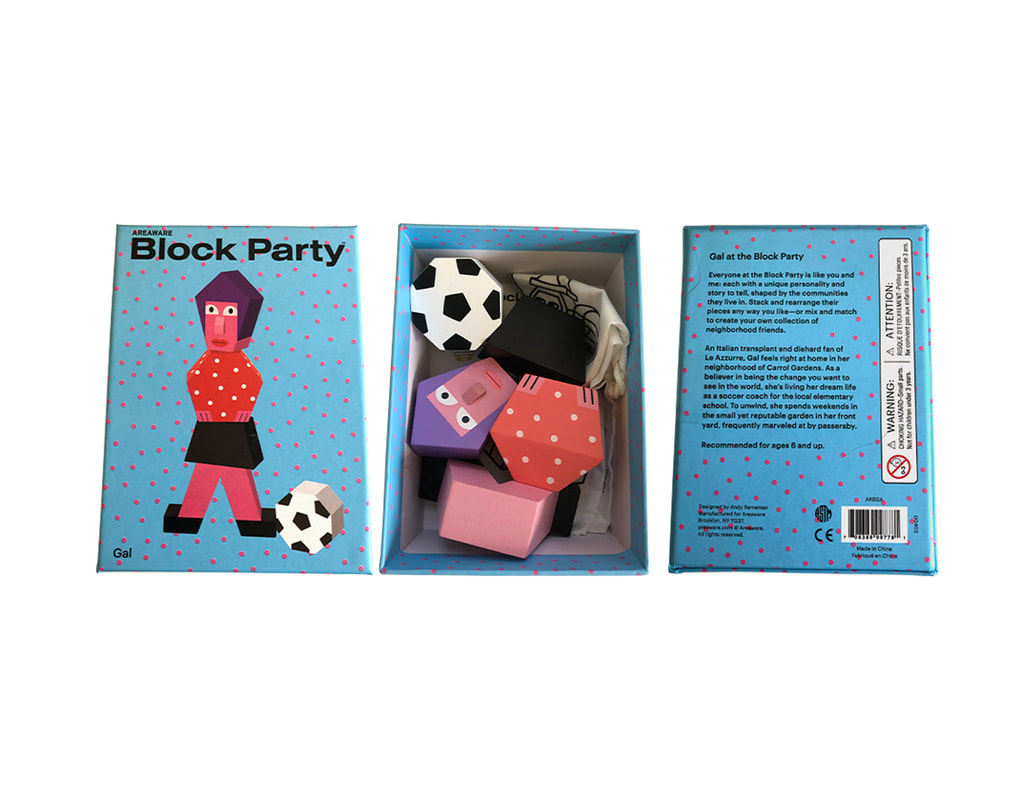
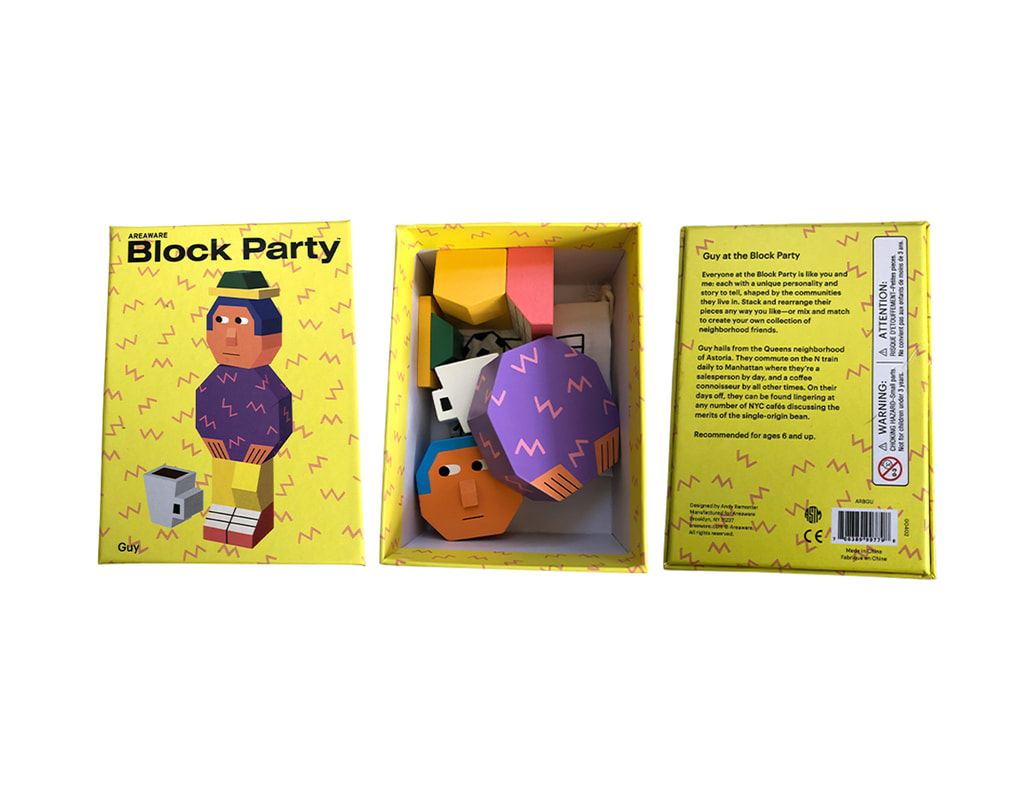
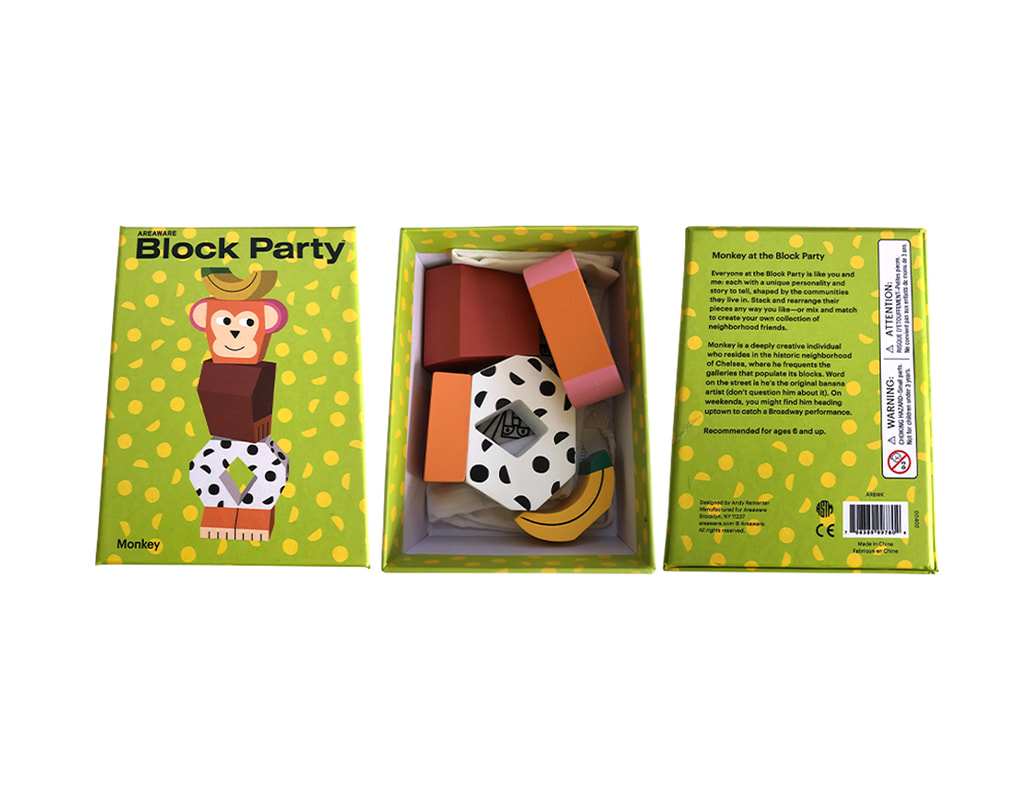
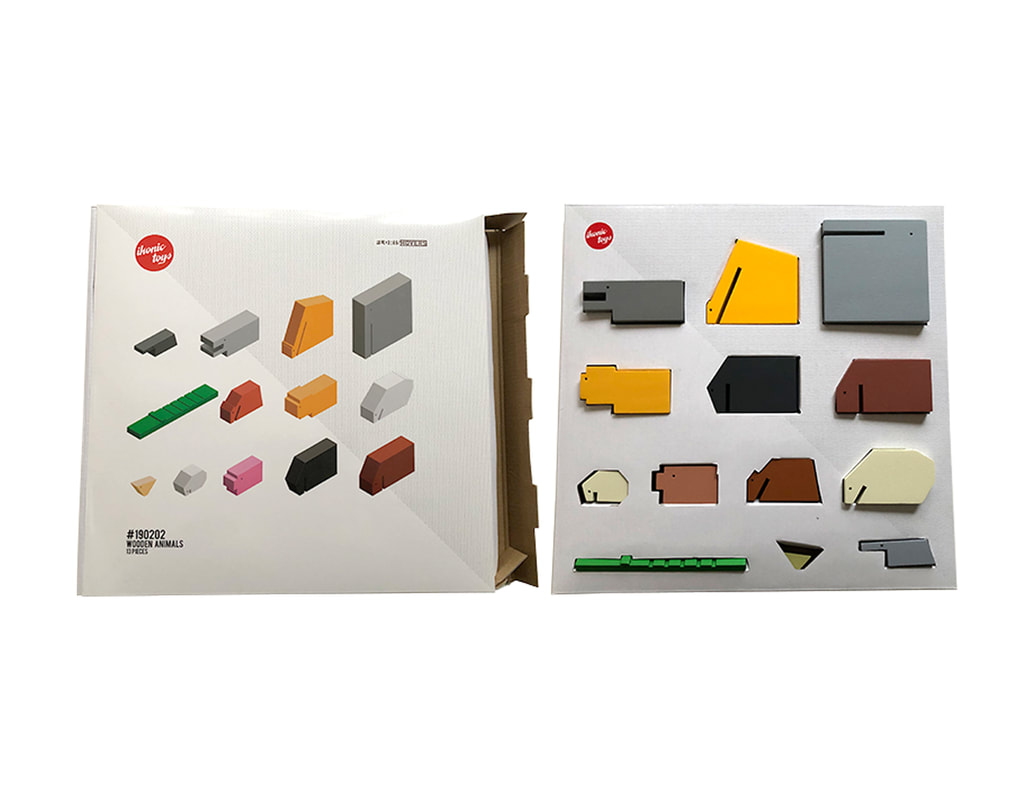
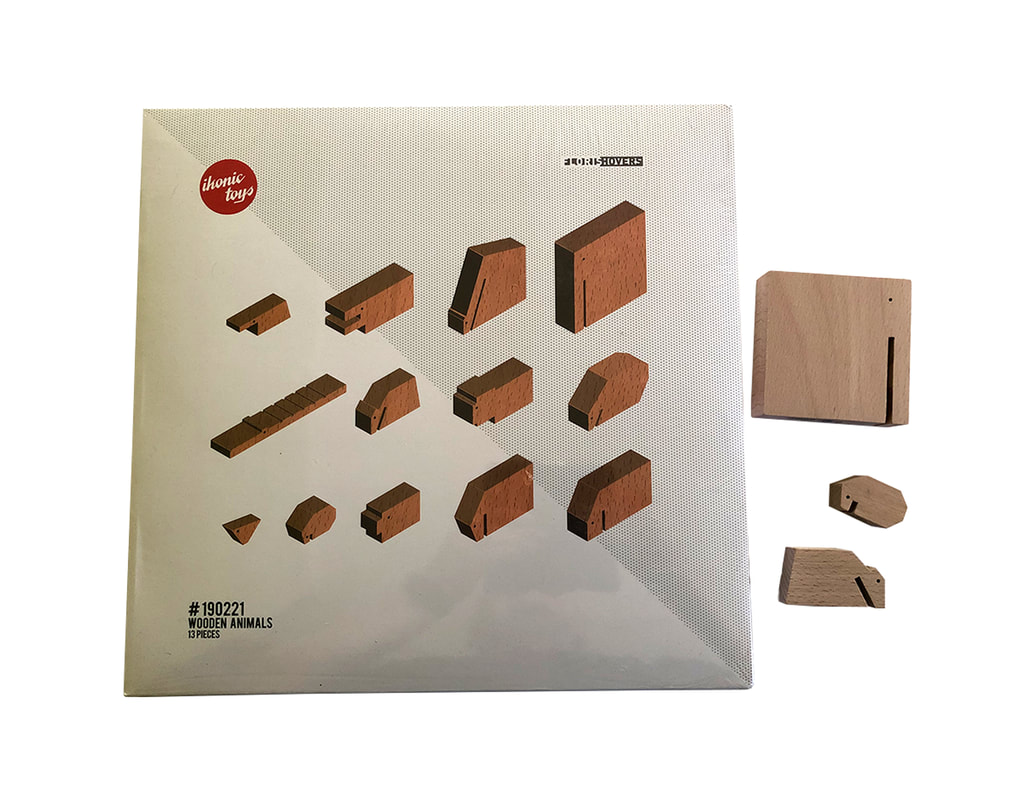
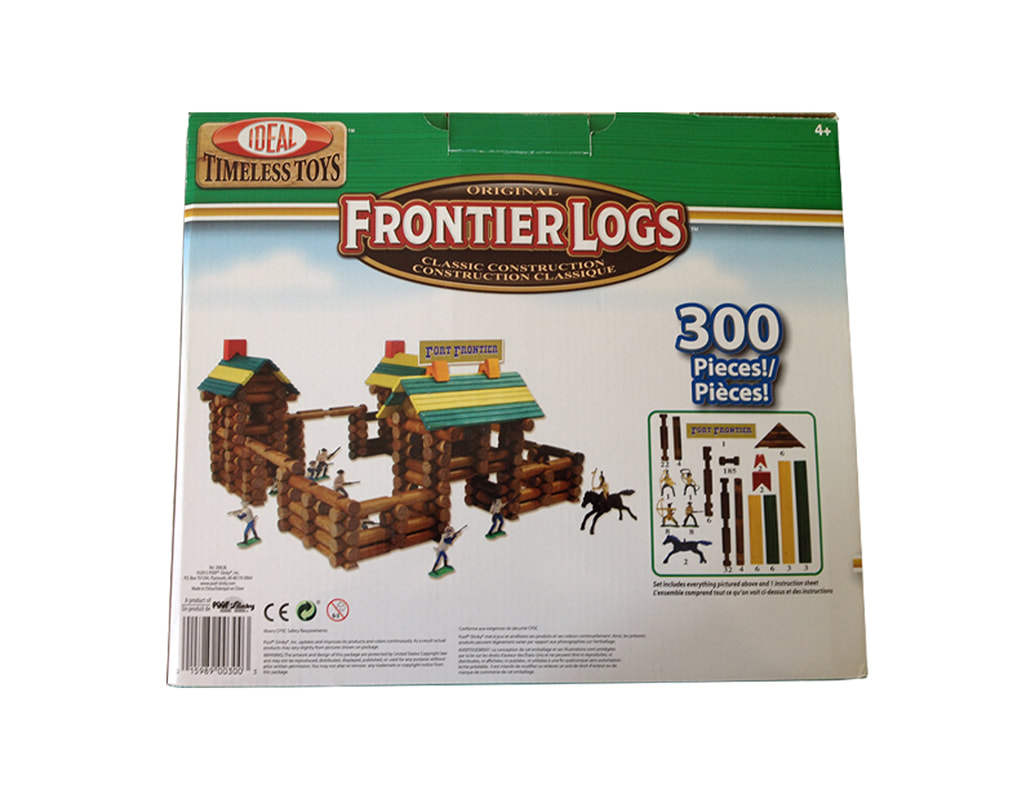
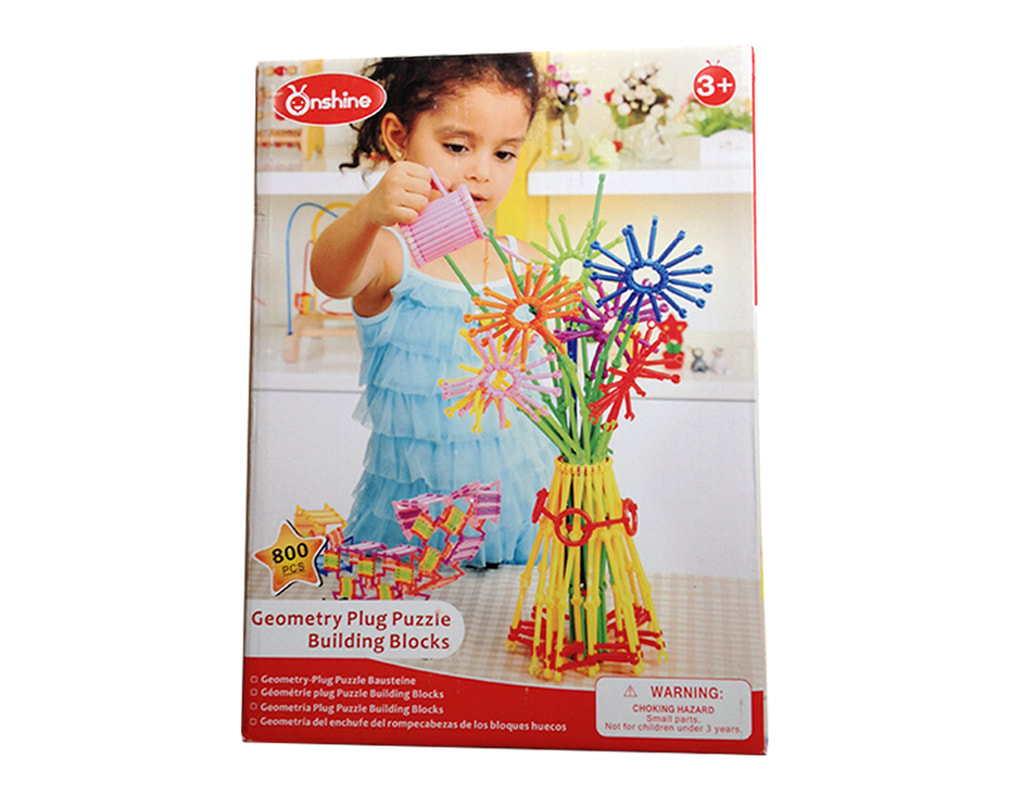
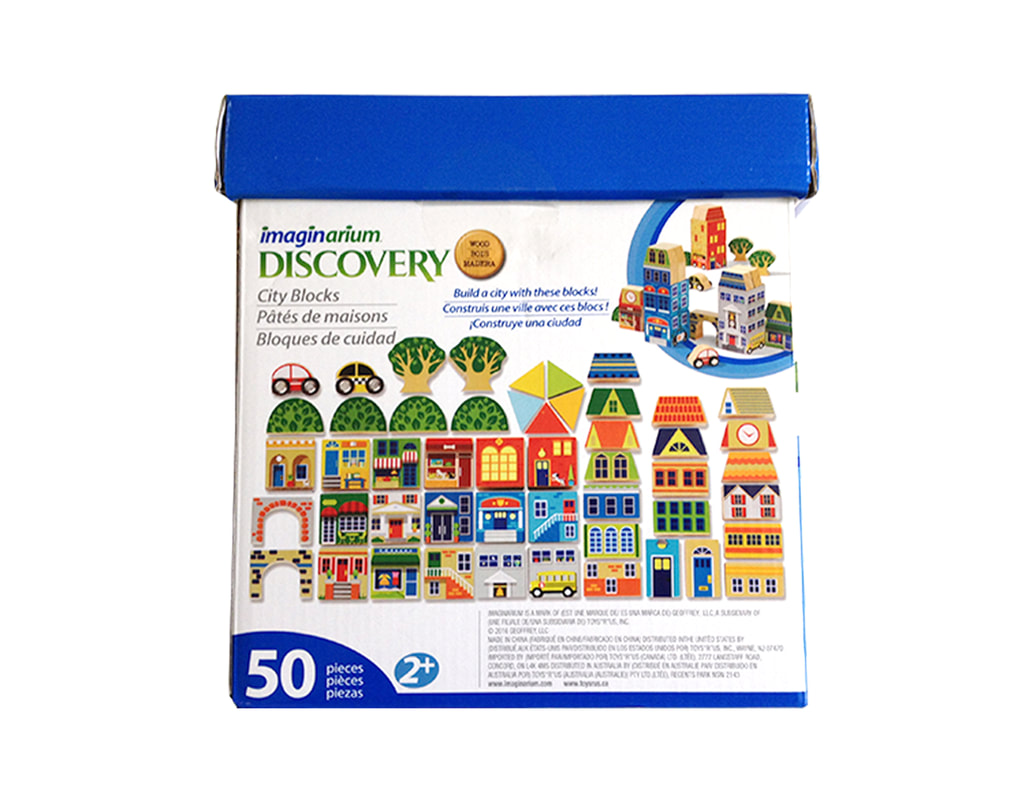
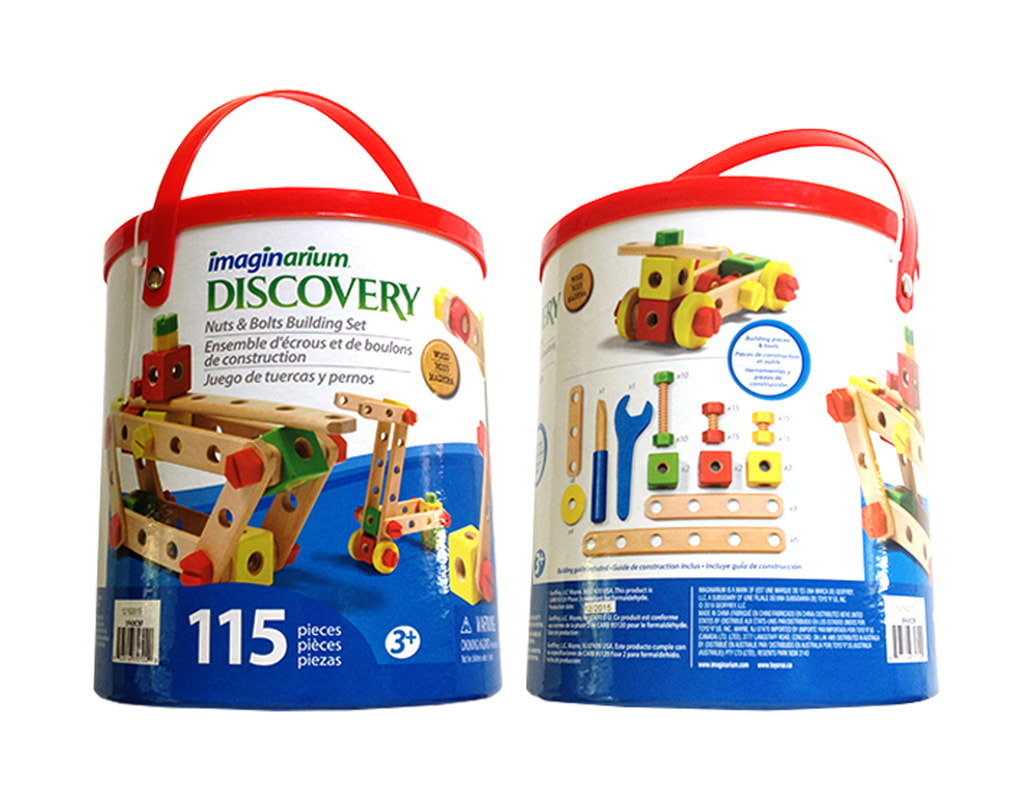
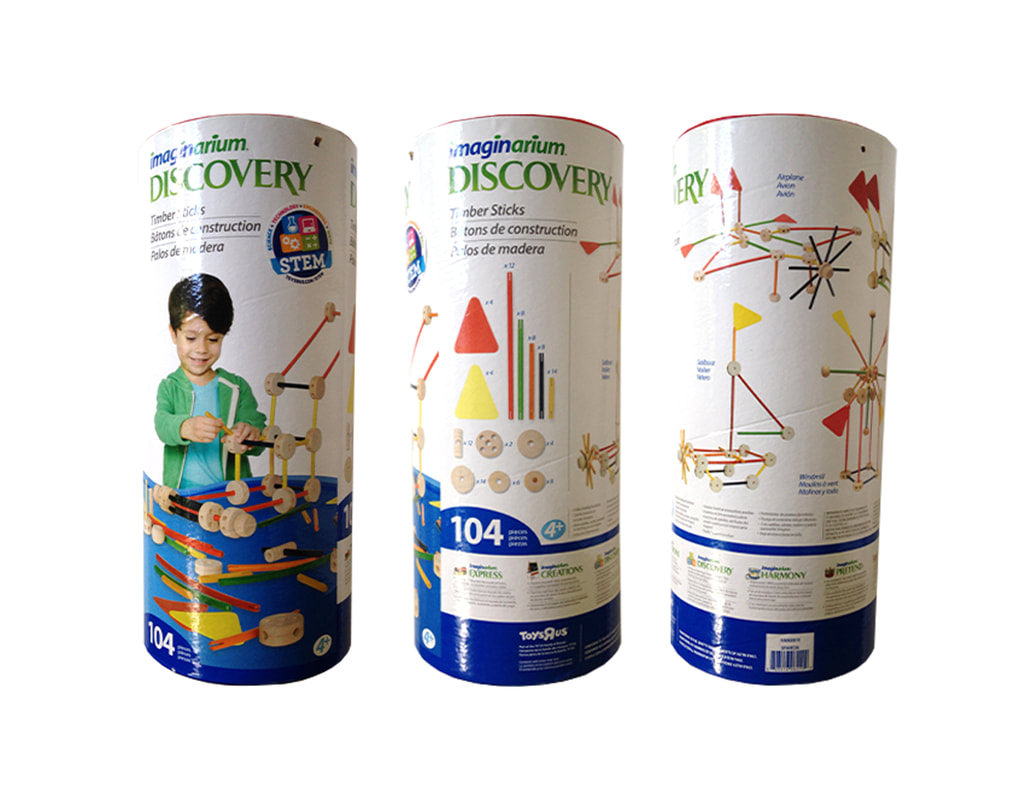
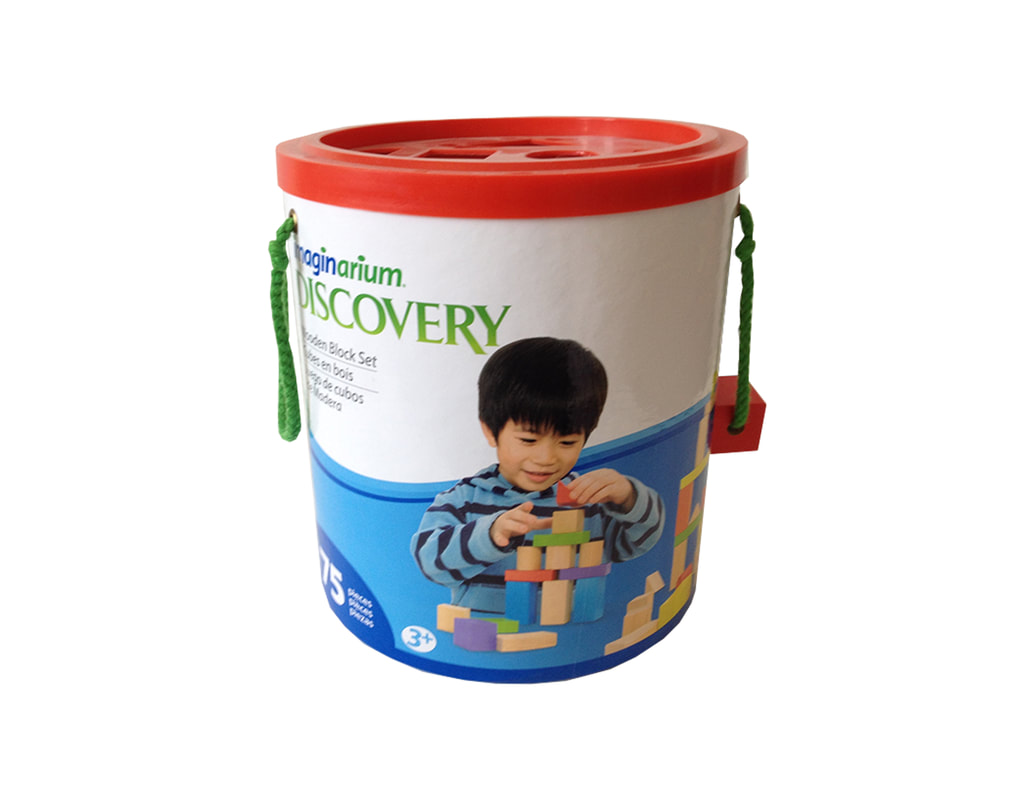
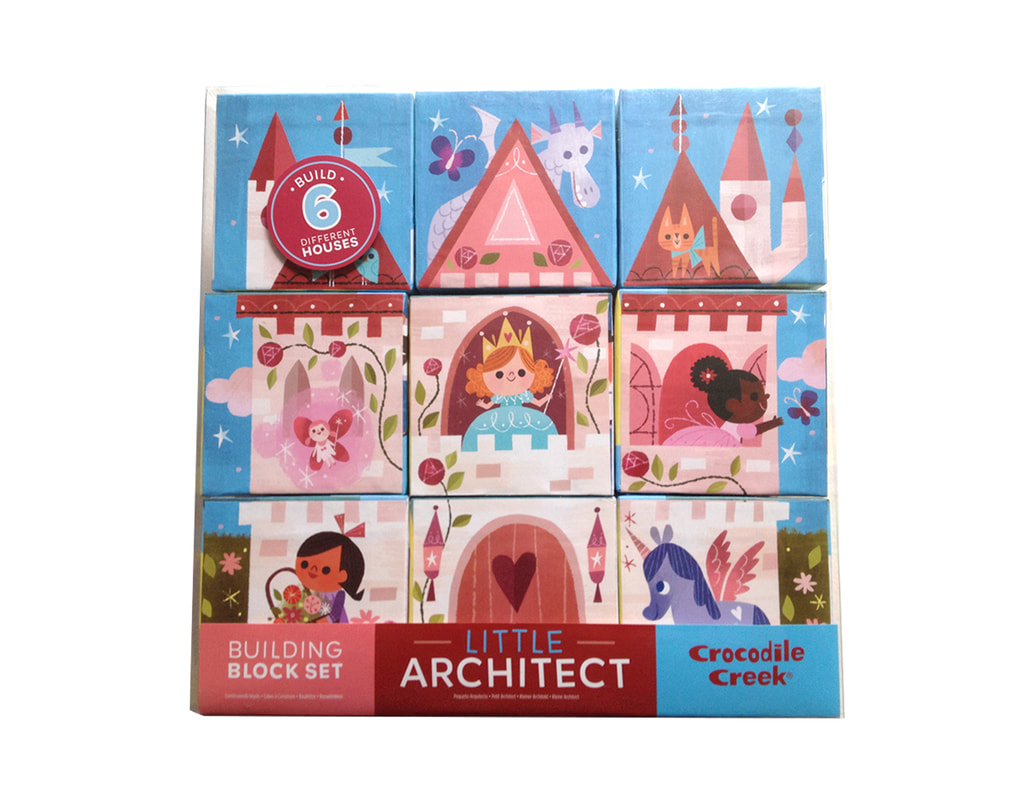
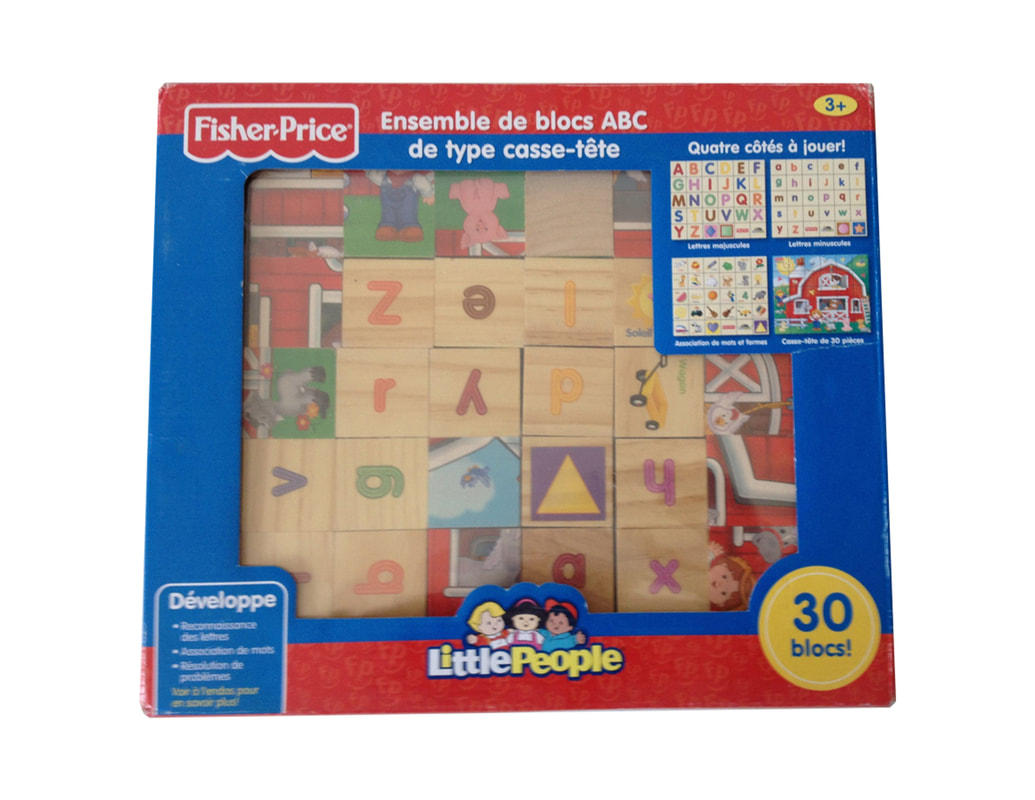
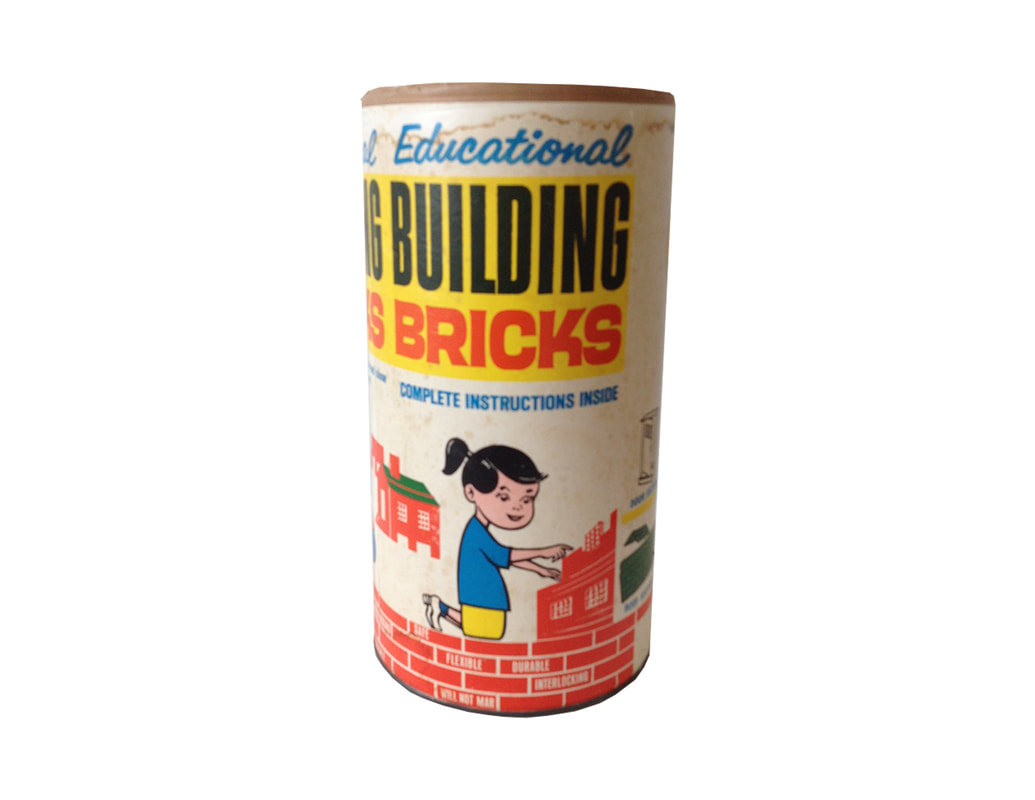
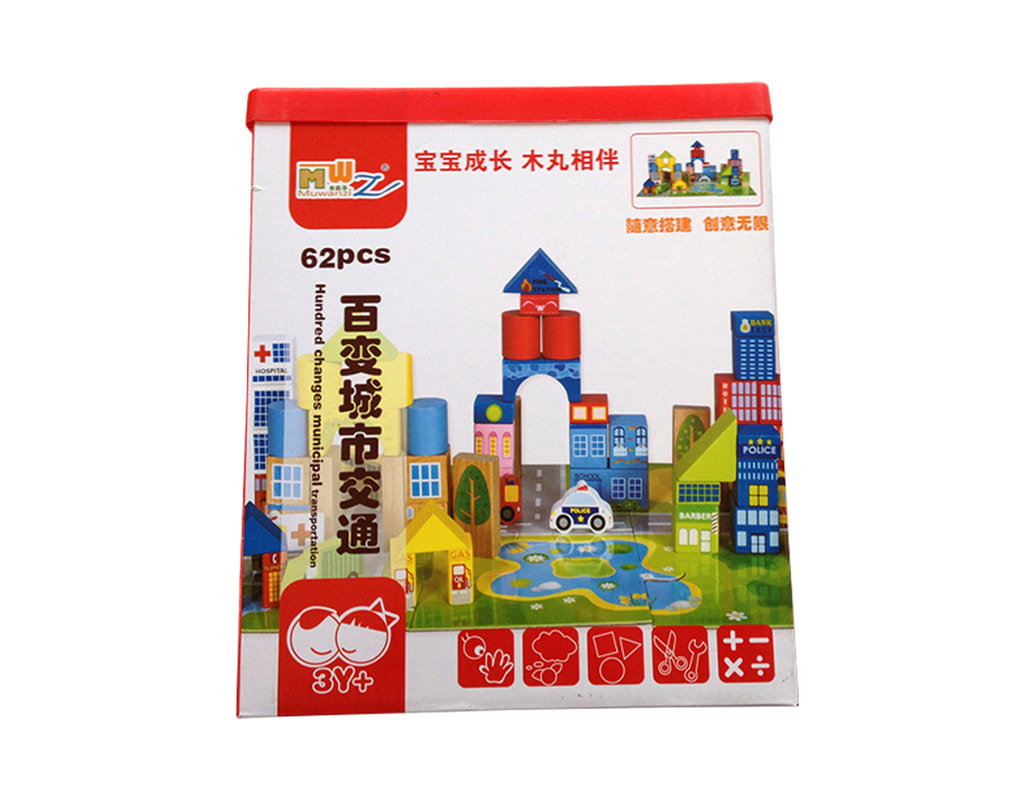
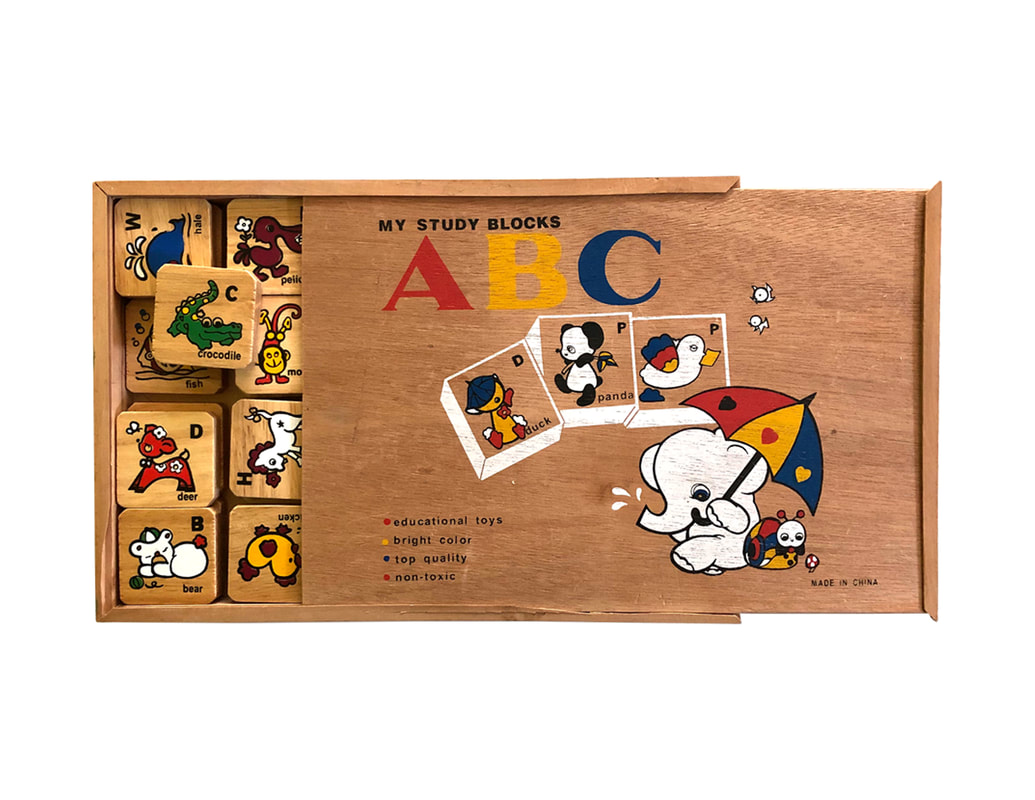
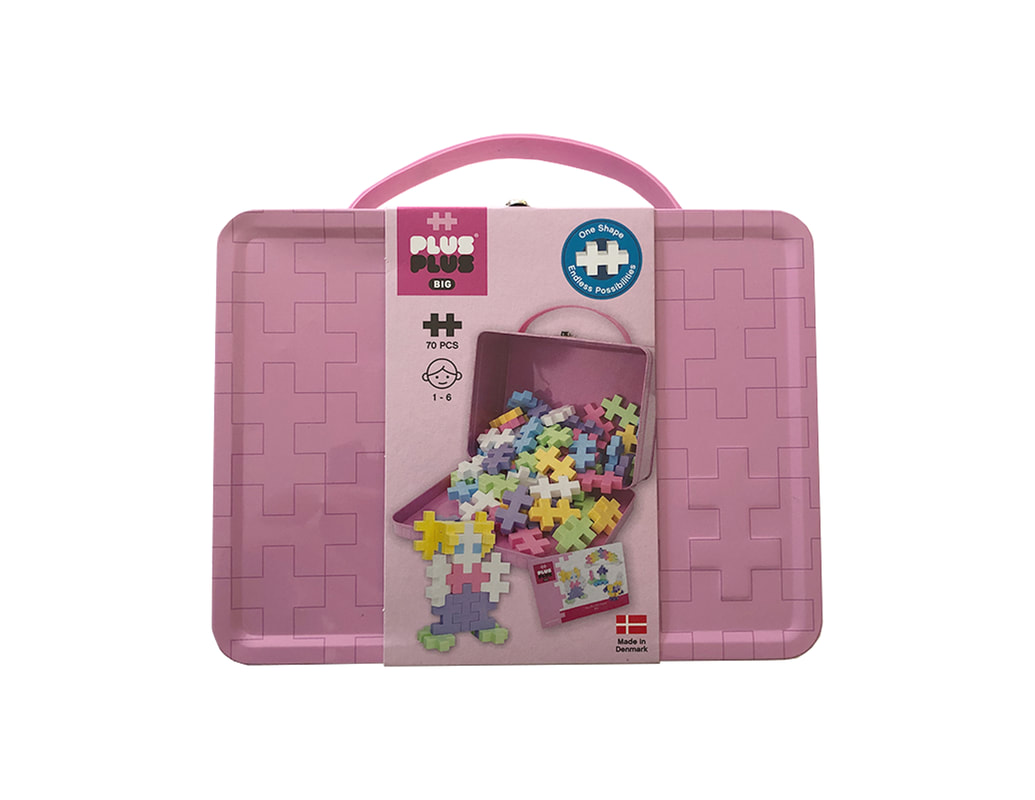
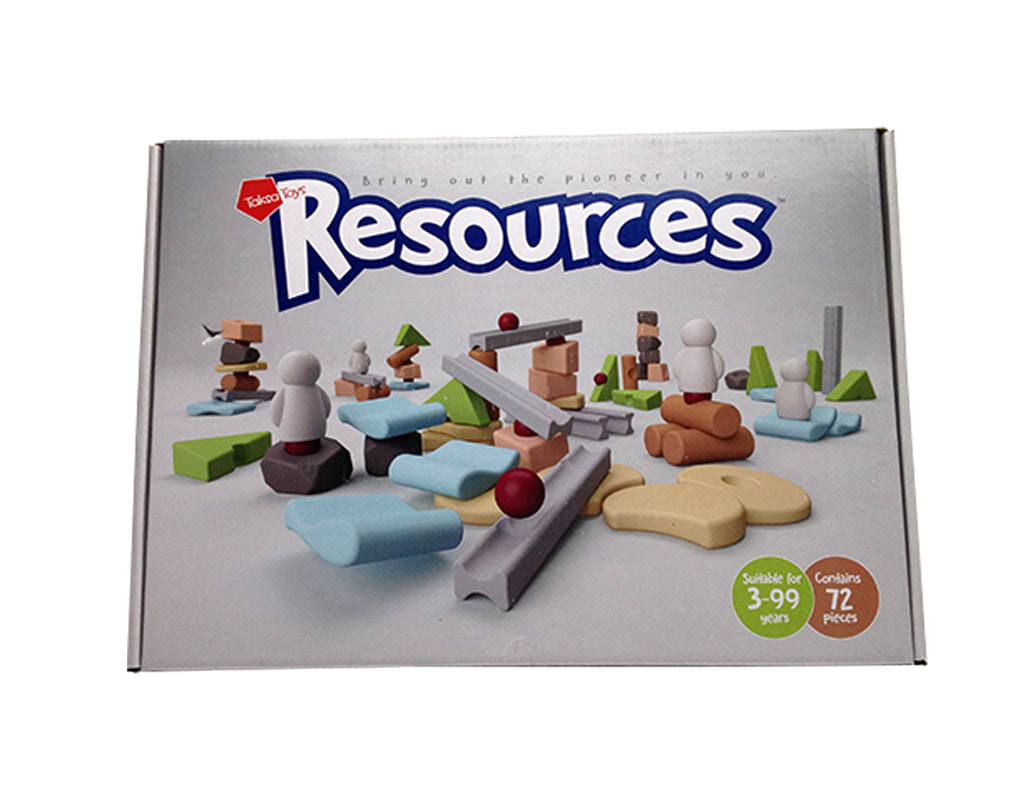
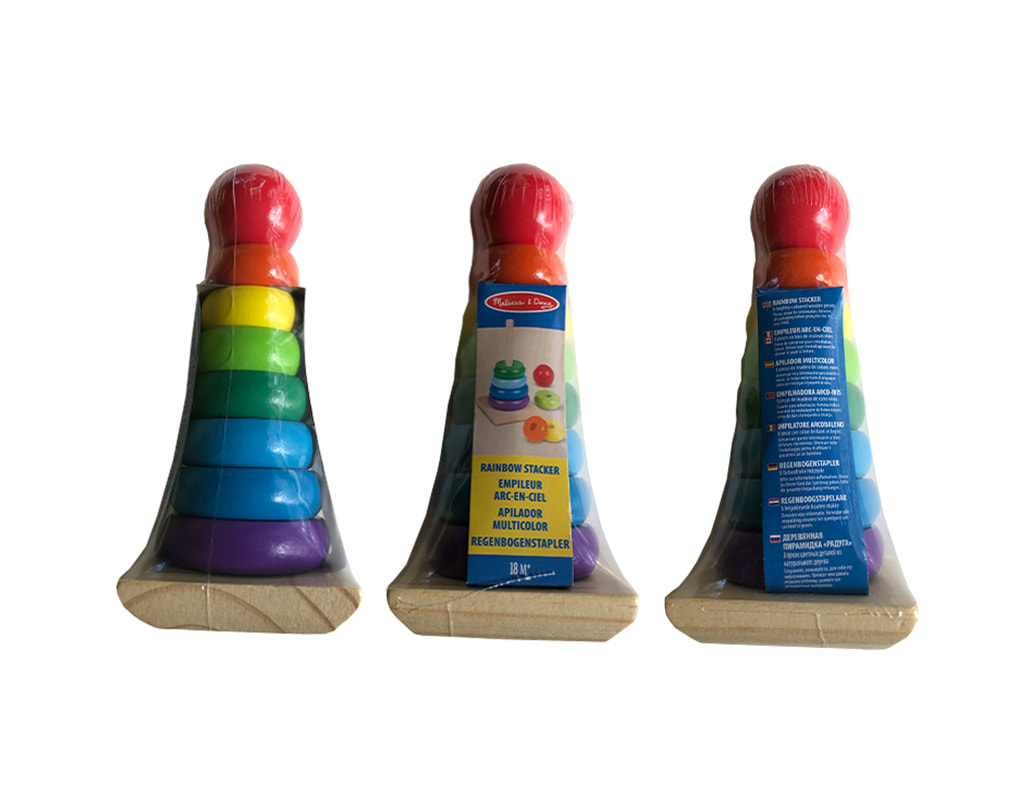
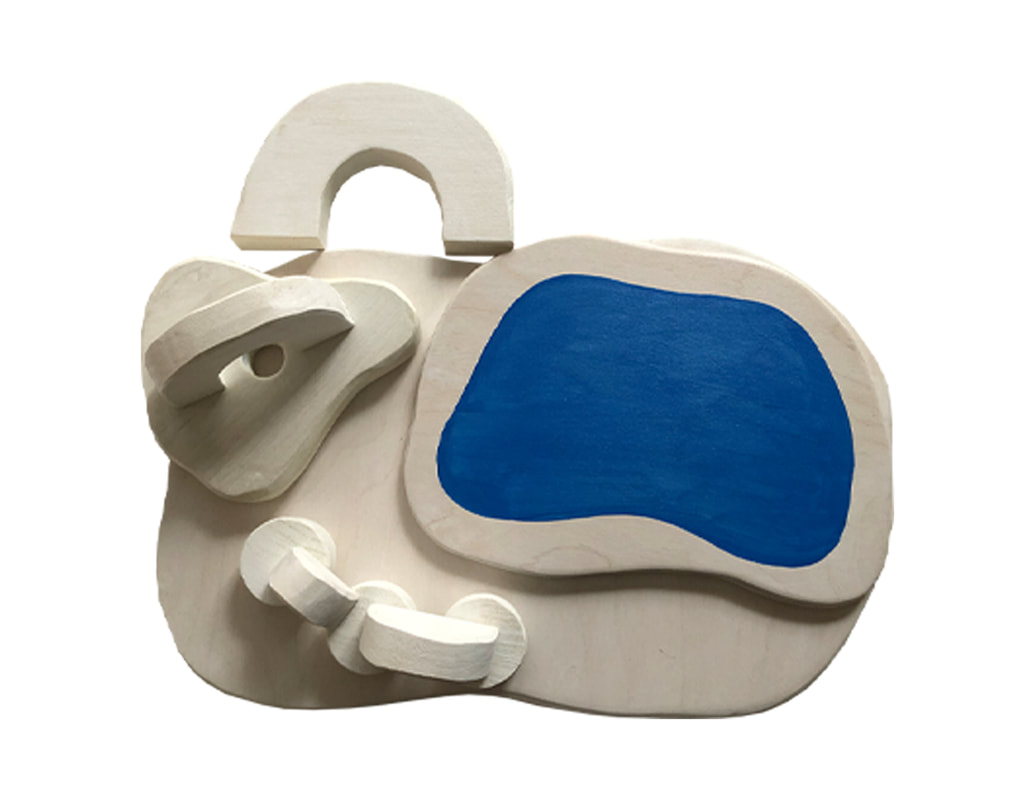
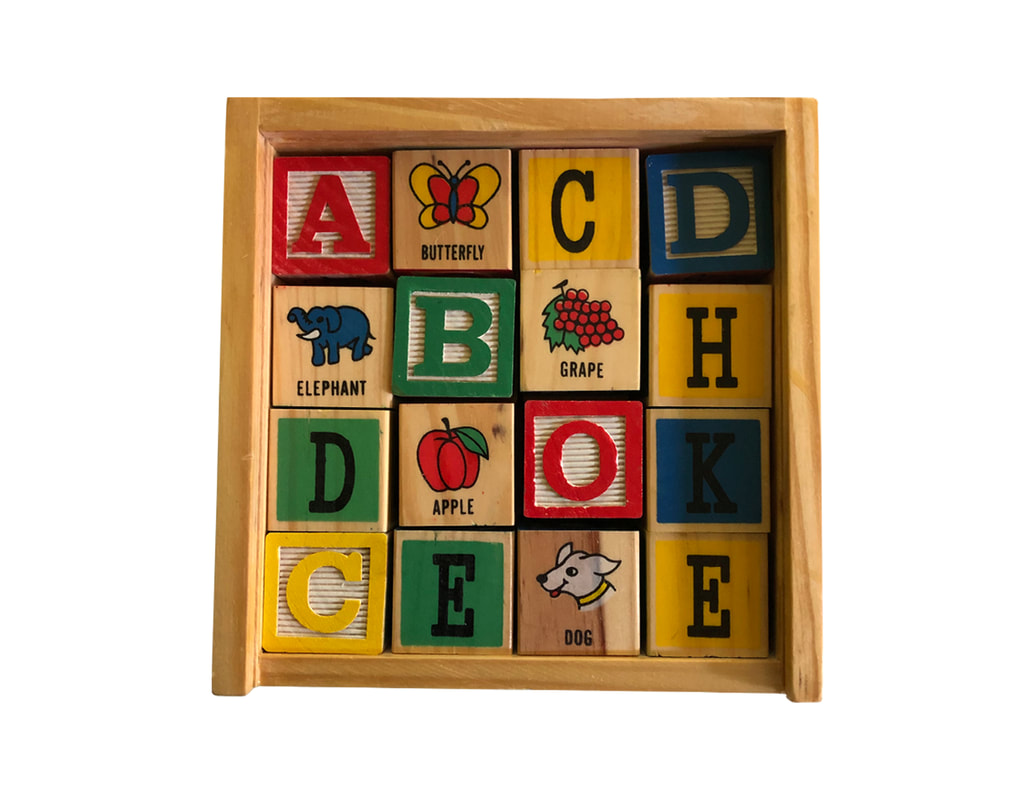
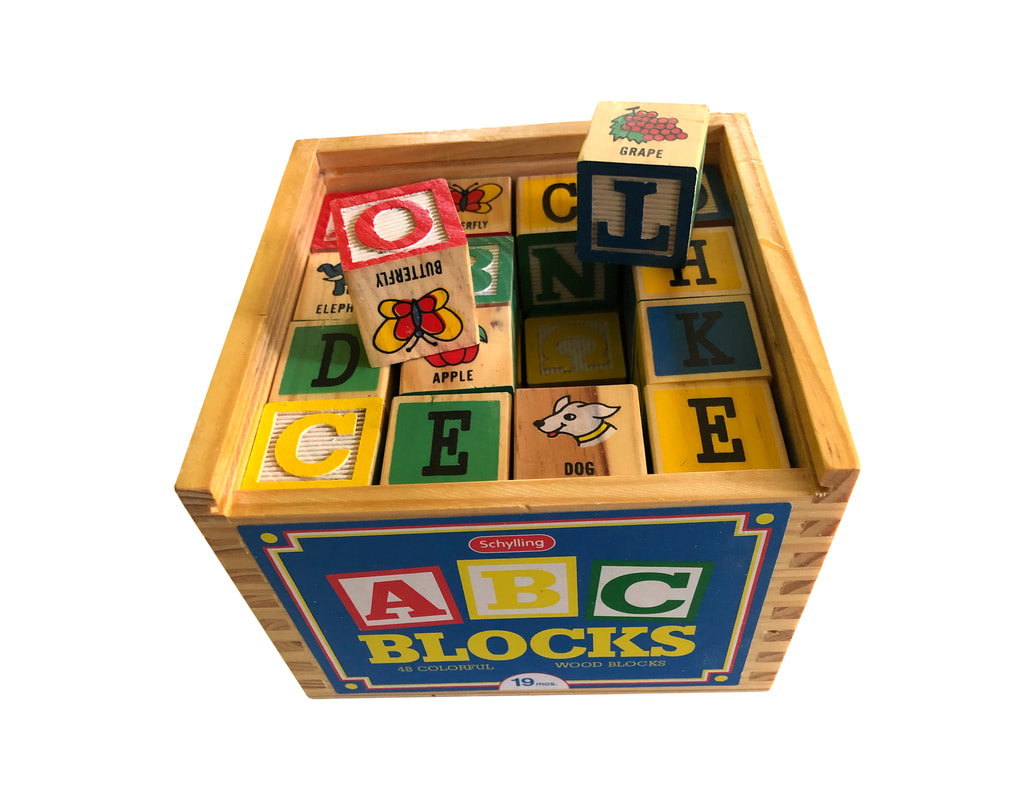
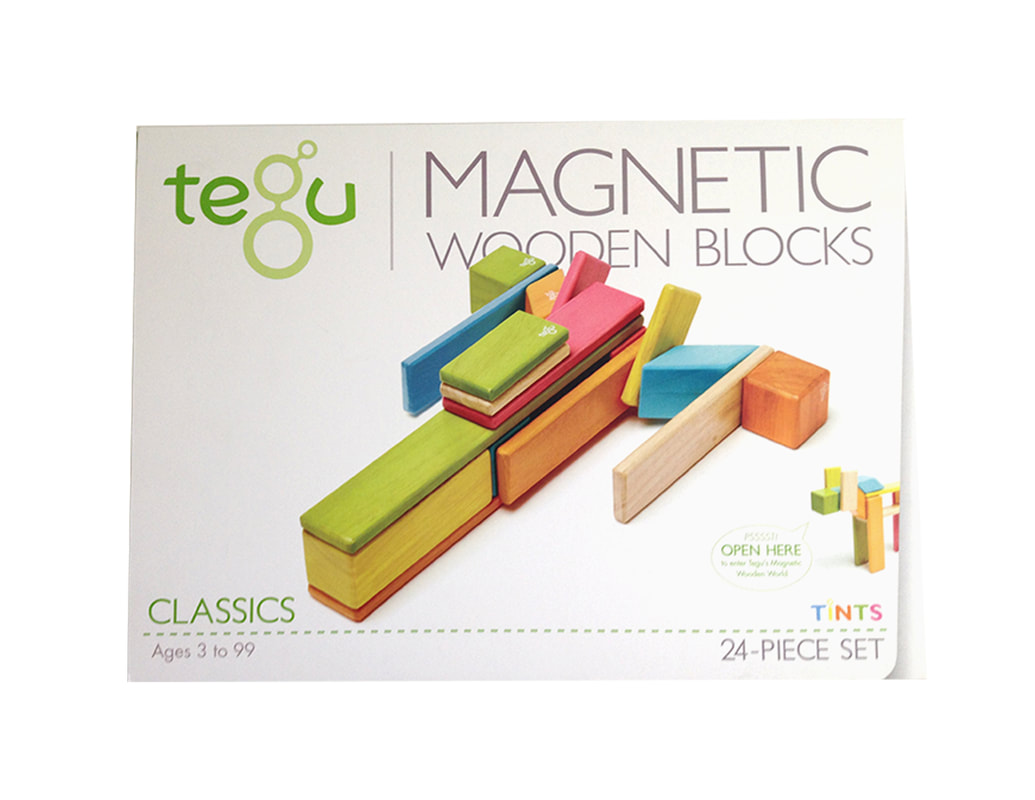
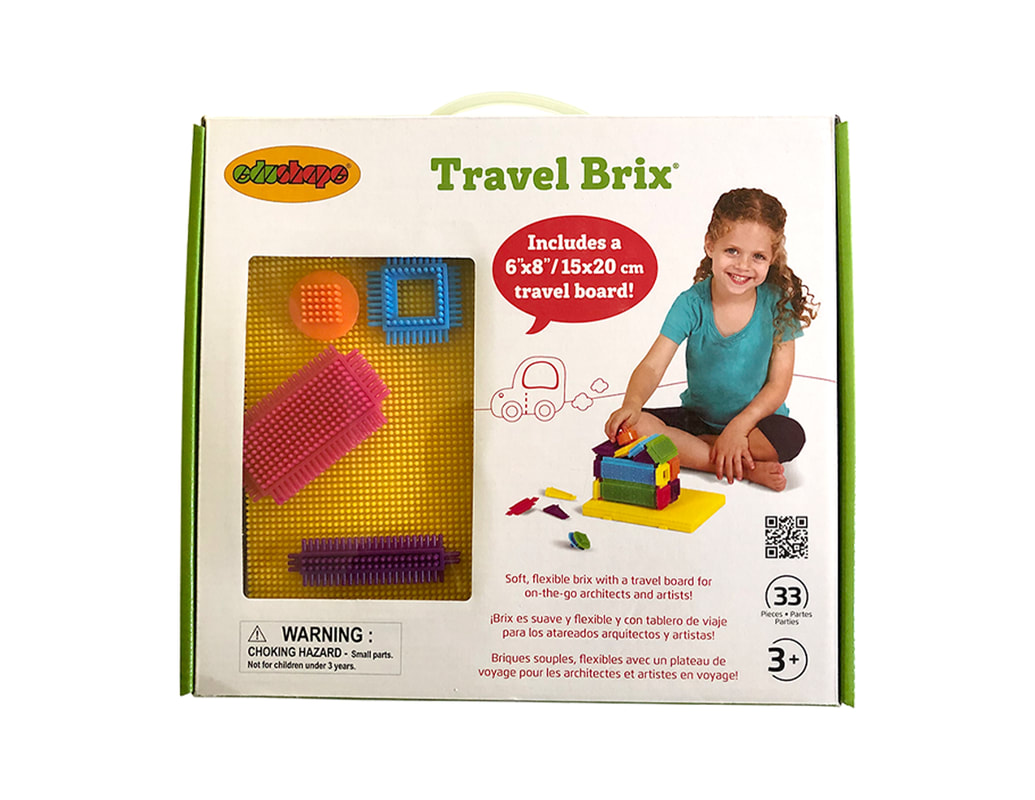
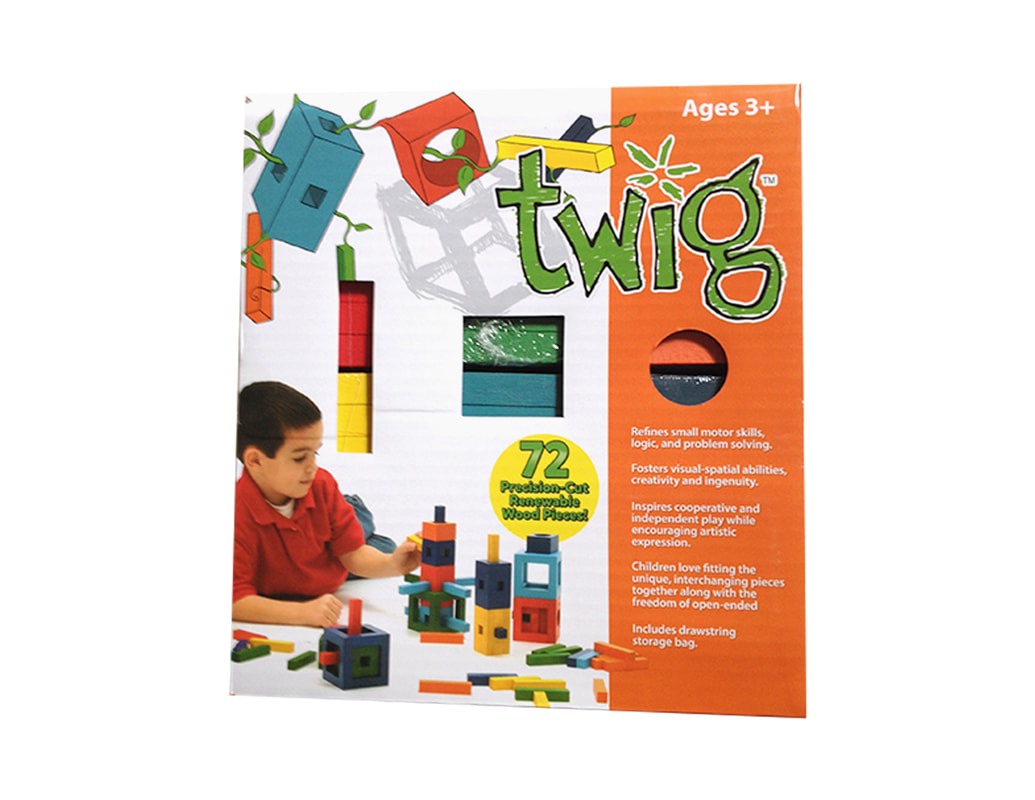
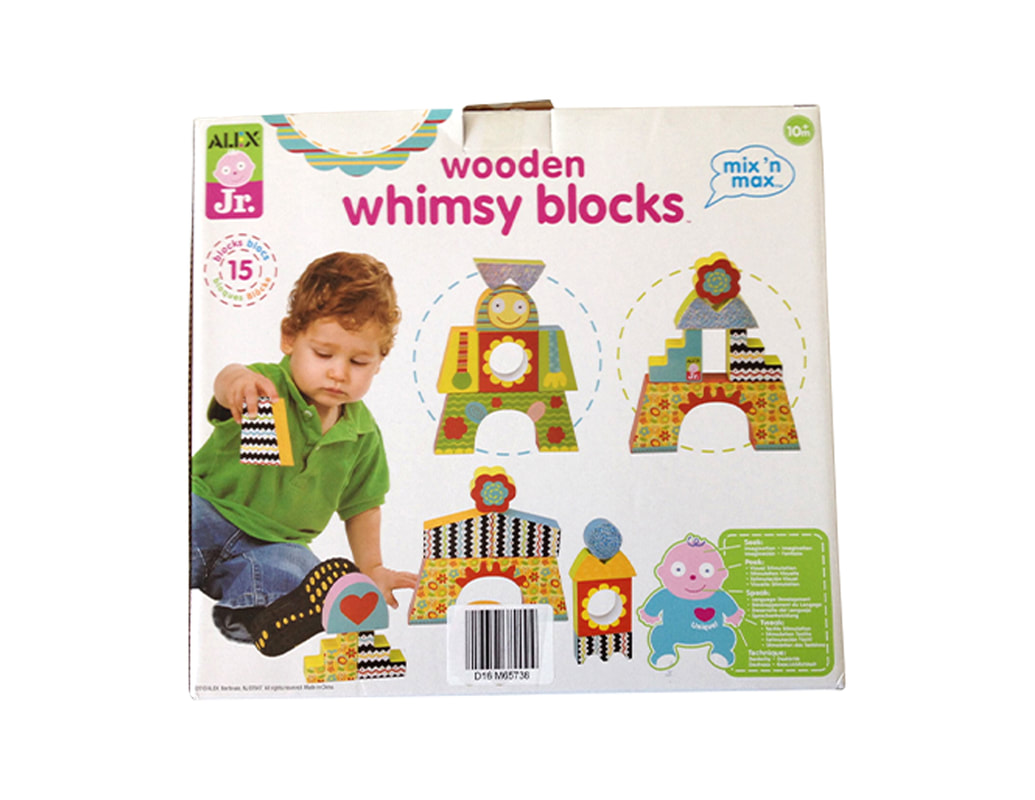
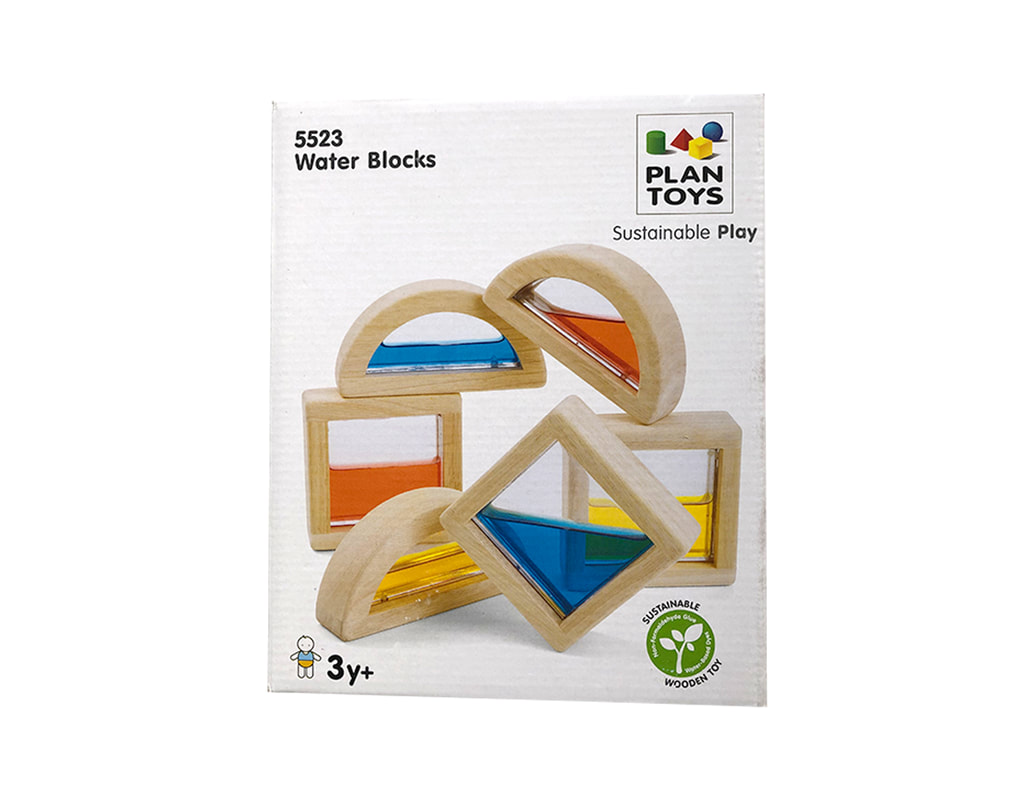
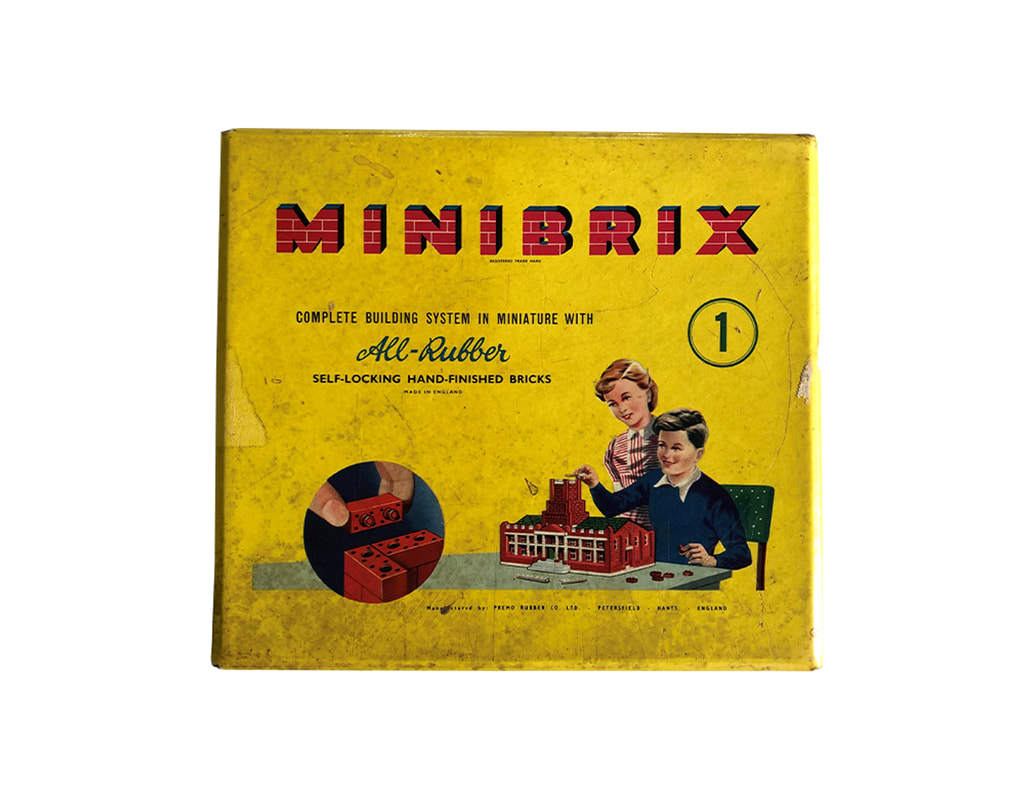
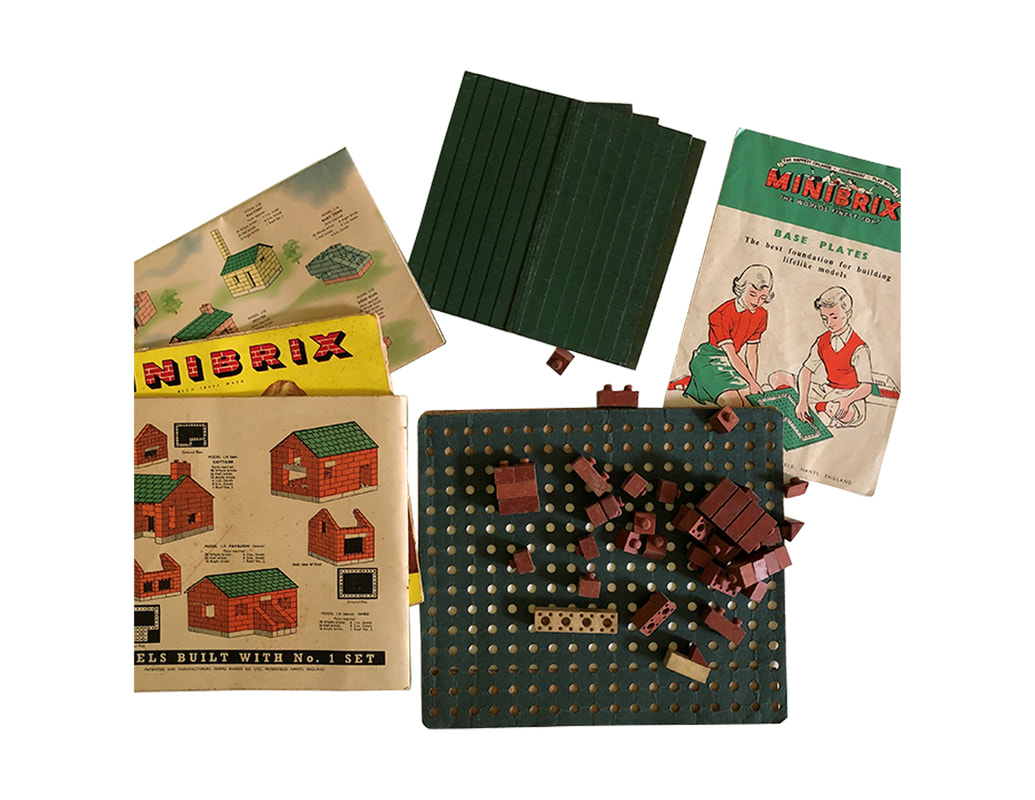
BUILDING BLOCKS HAVE LONG BEEN A CLASSROOM AND HOME STAPLE - from alphabet blocks to entire block cities, they can be found in endless variation all over the world. Blocks are familiar, popular, and, most of all, simple . . . right? In fact, when we take a closer look, there is a surprisingly rich history to be discovered.
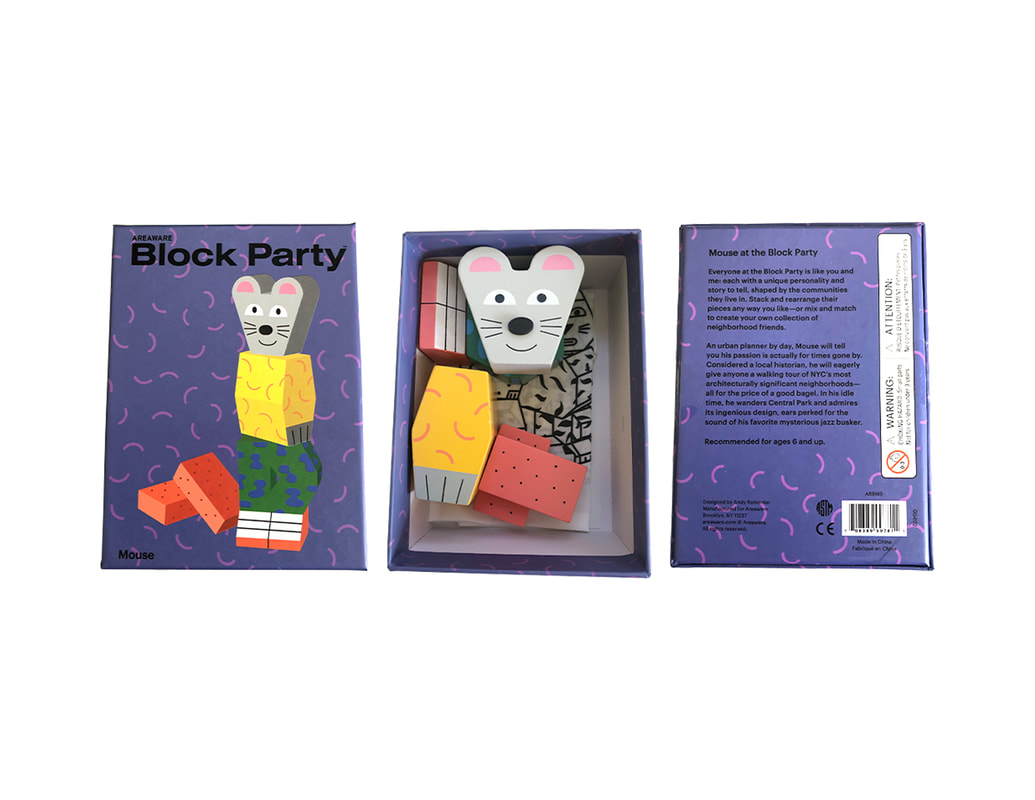
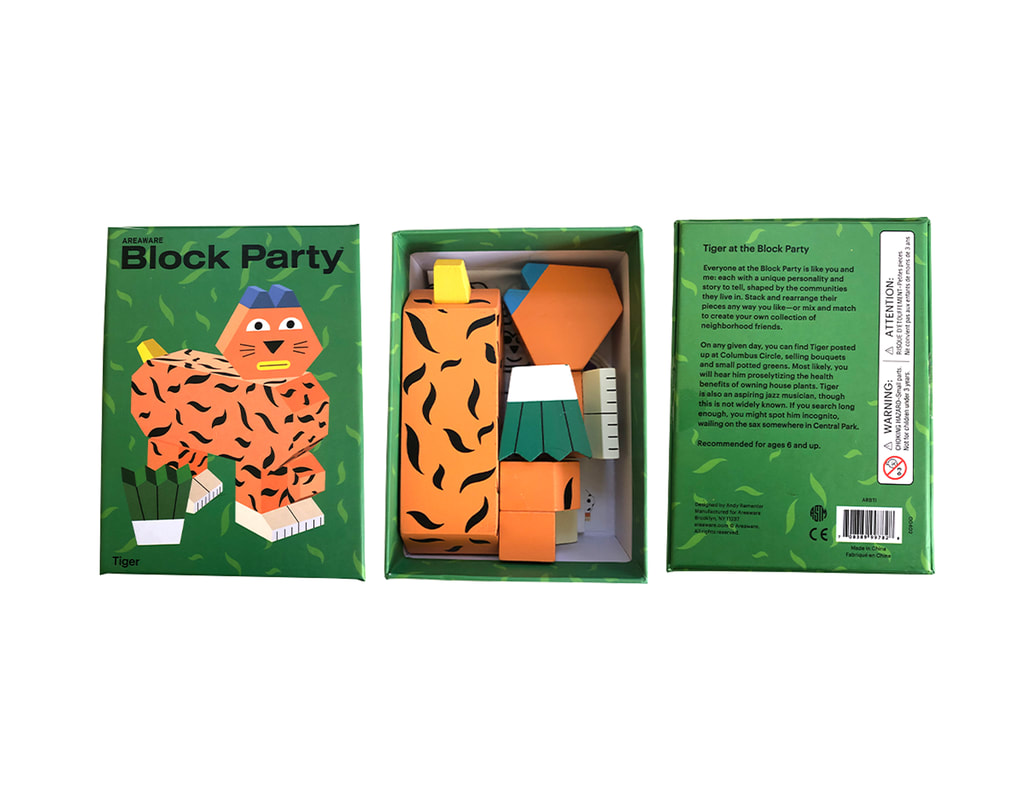
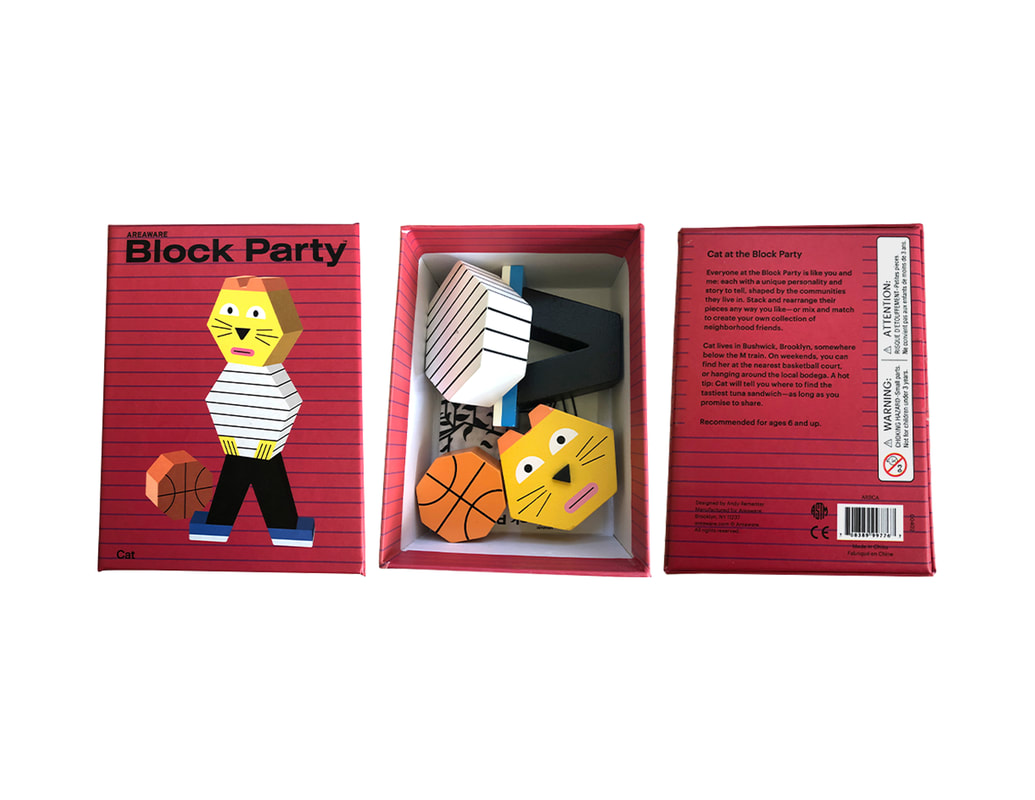
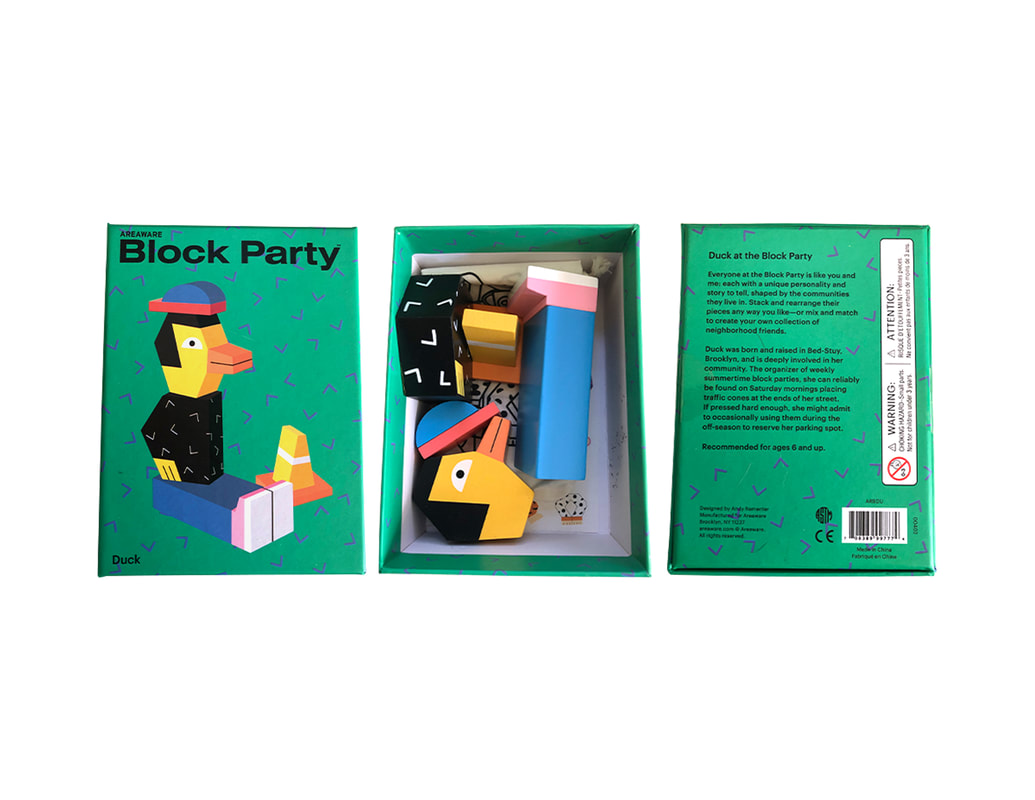
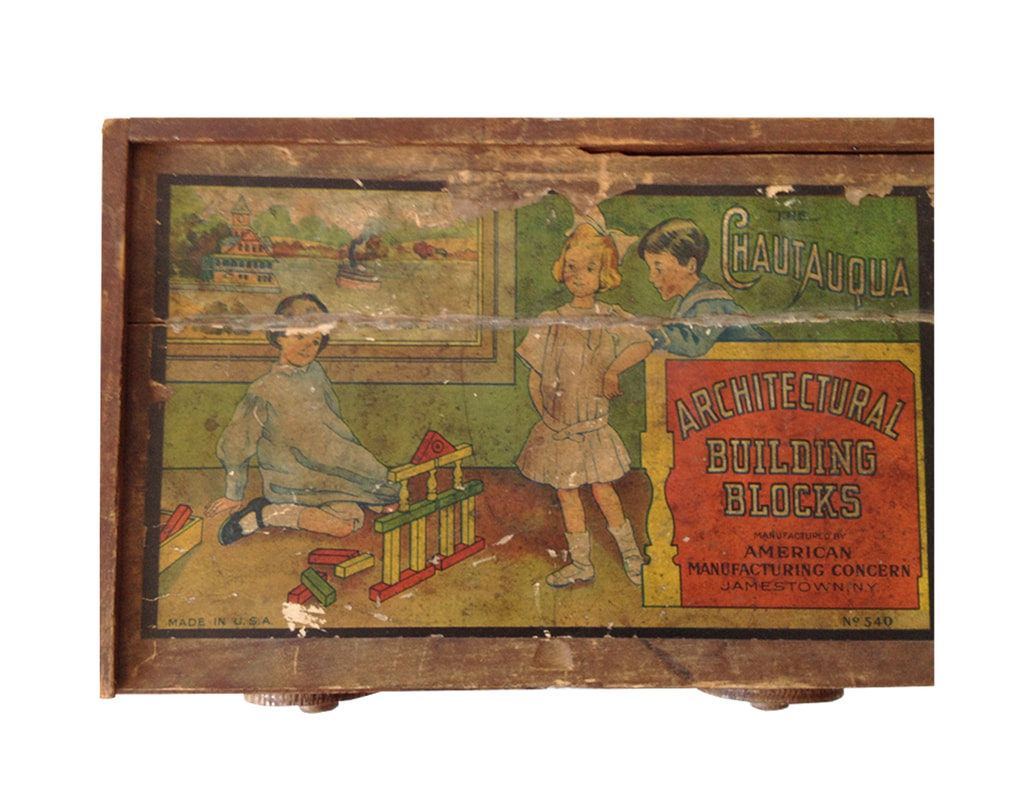
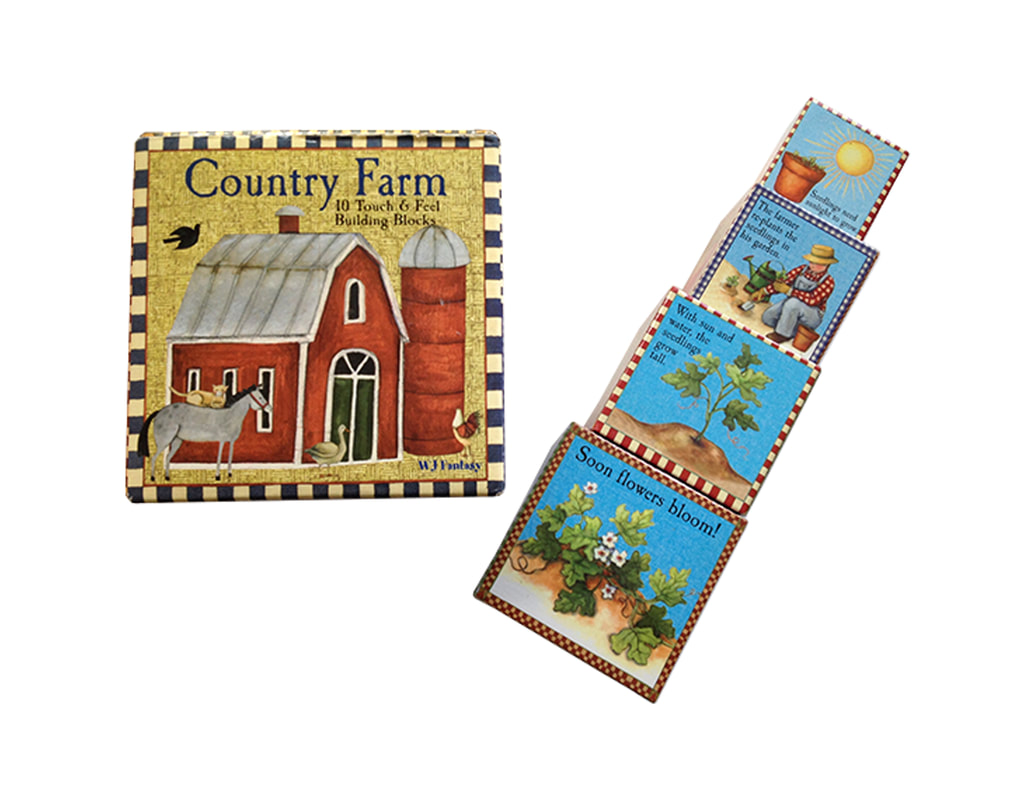
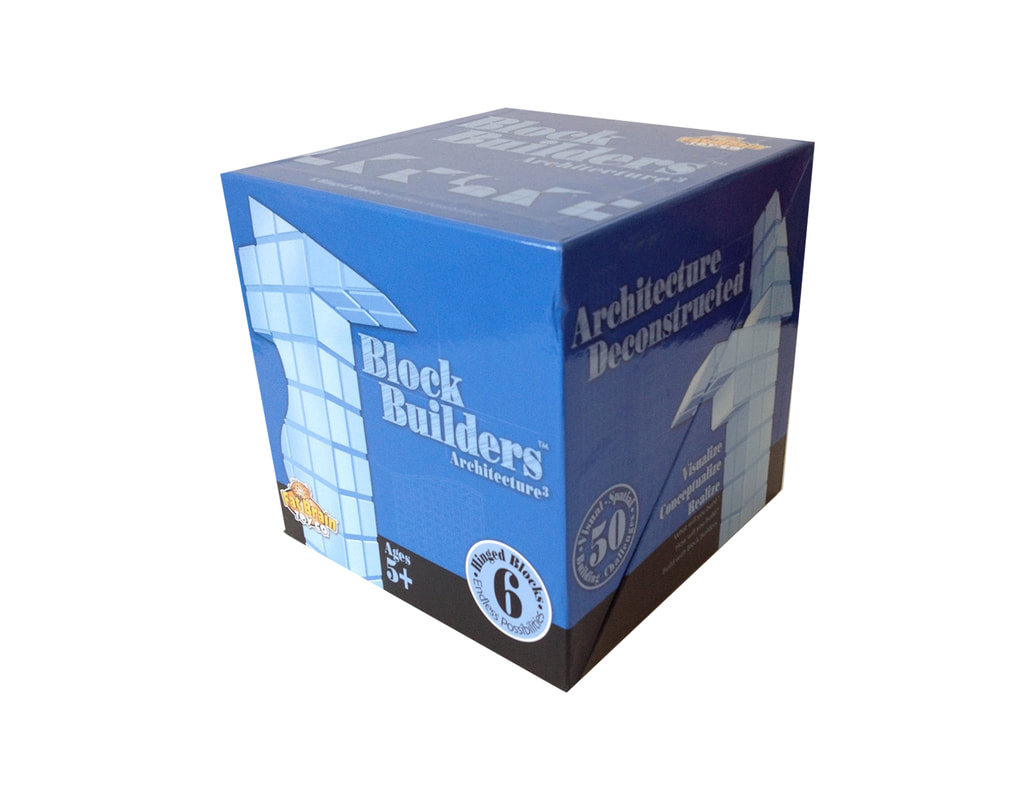
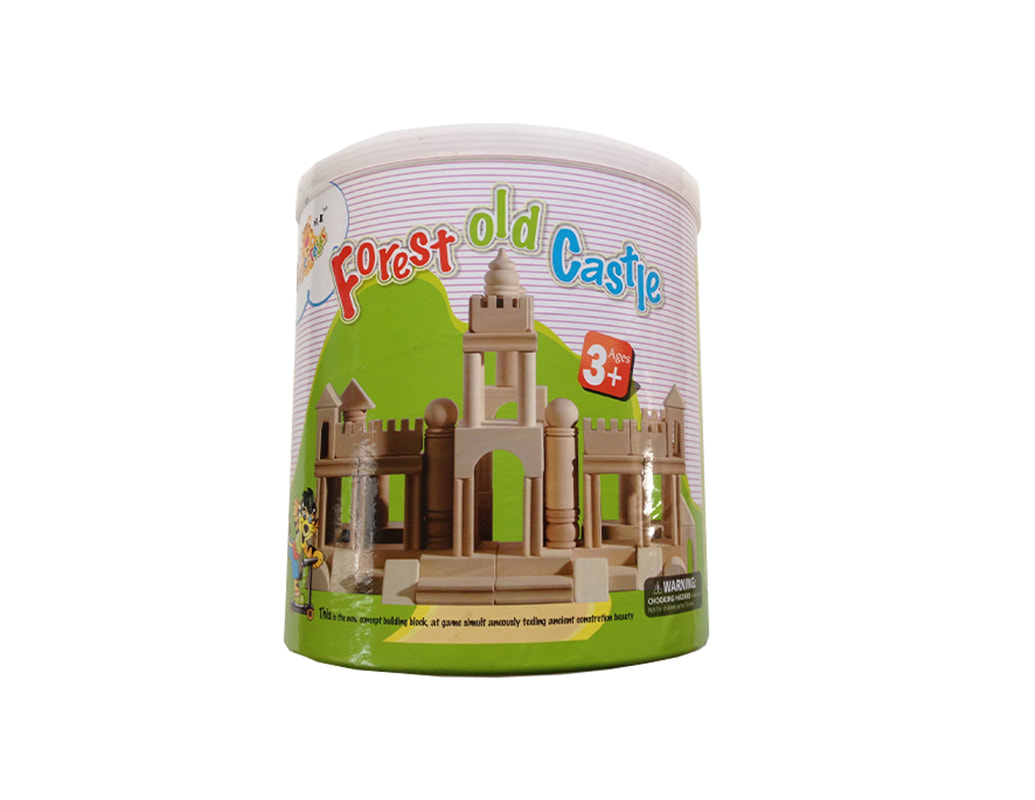
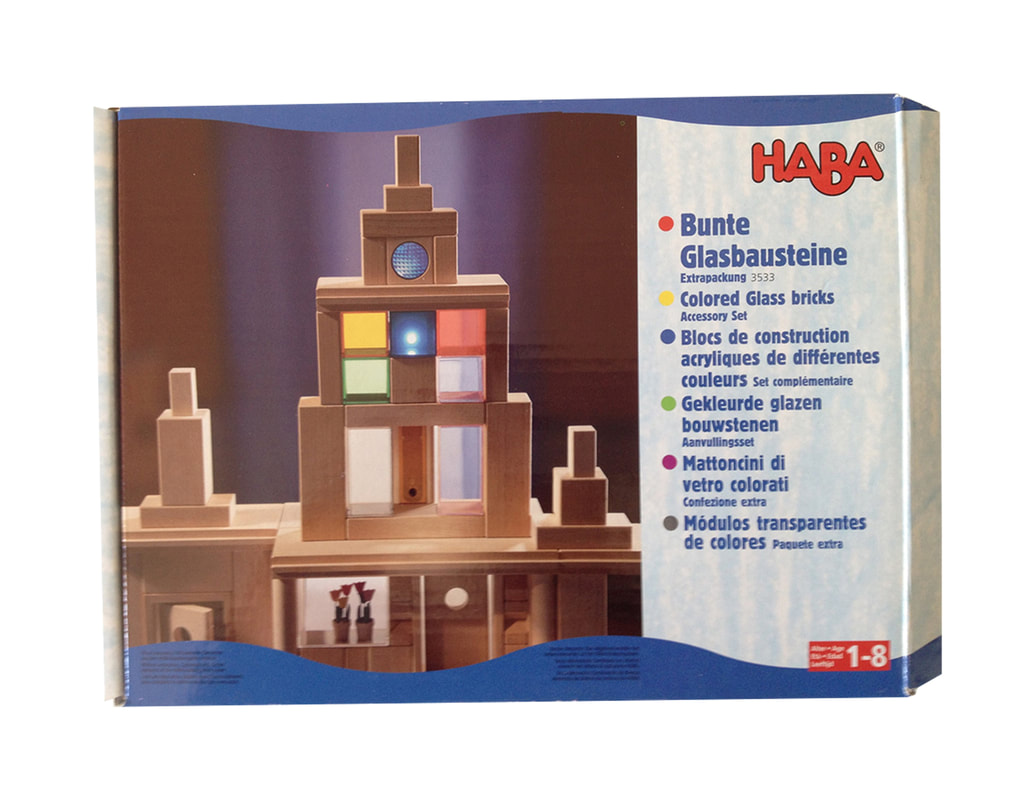
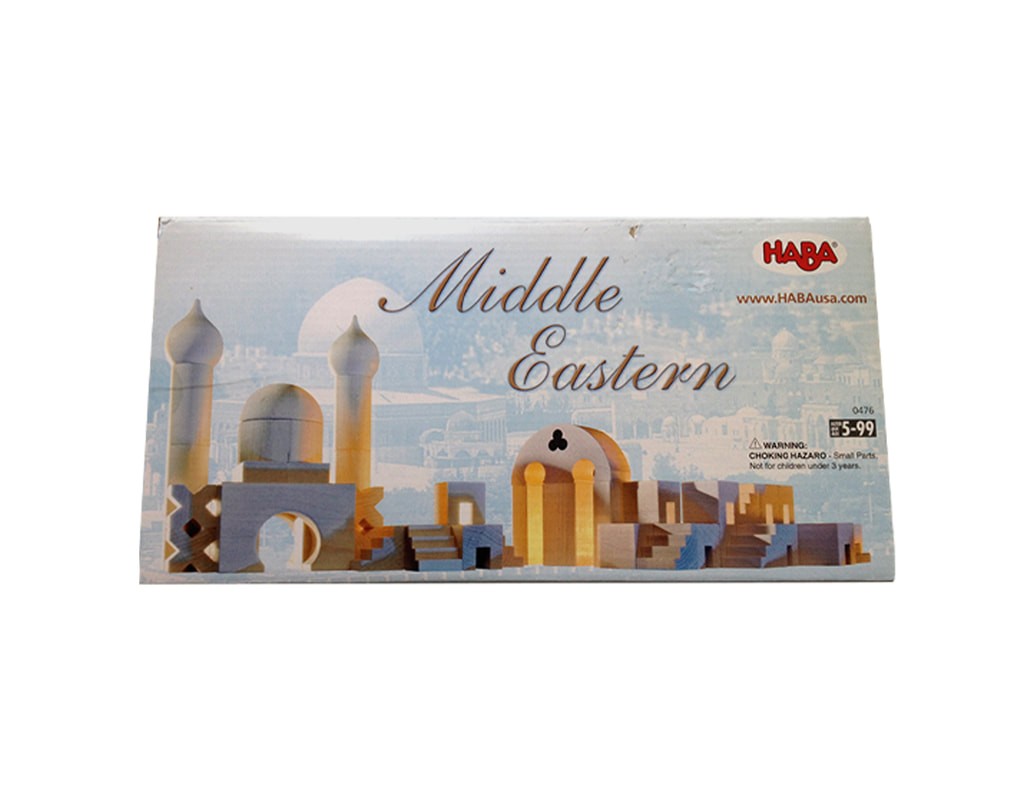
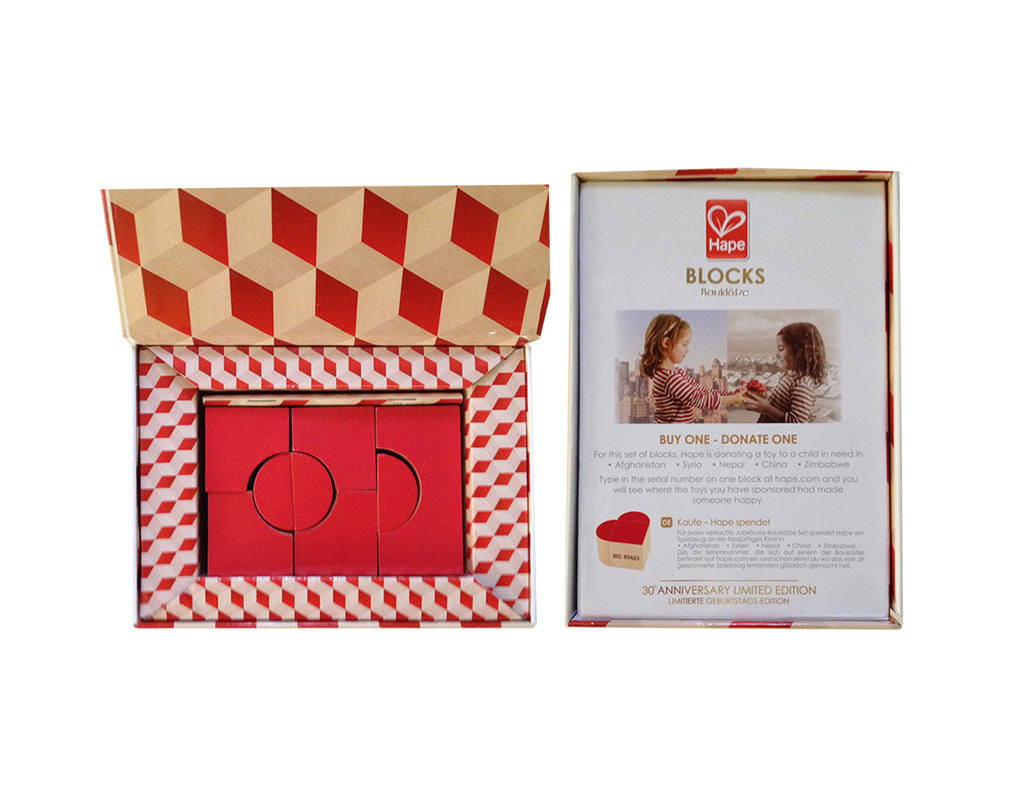
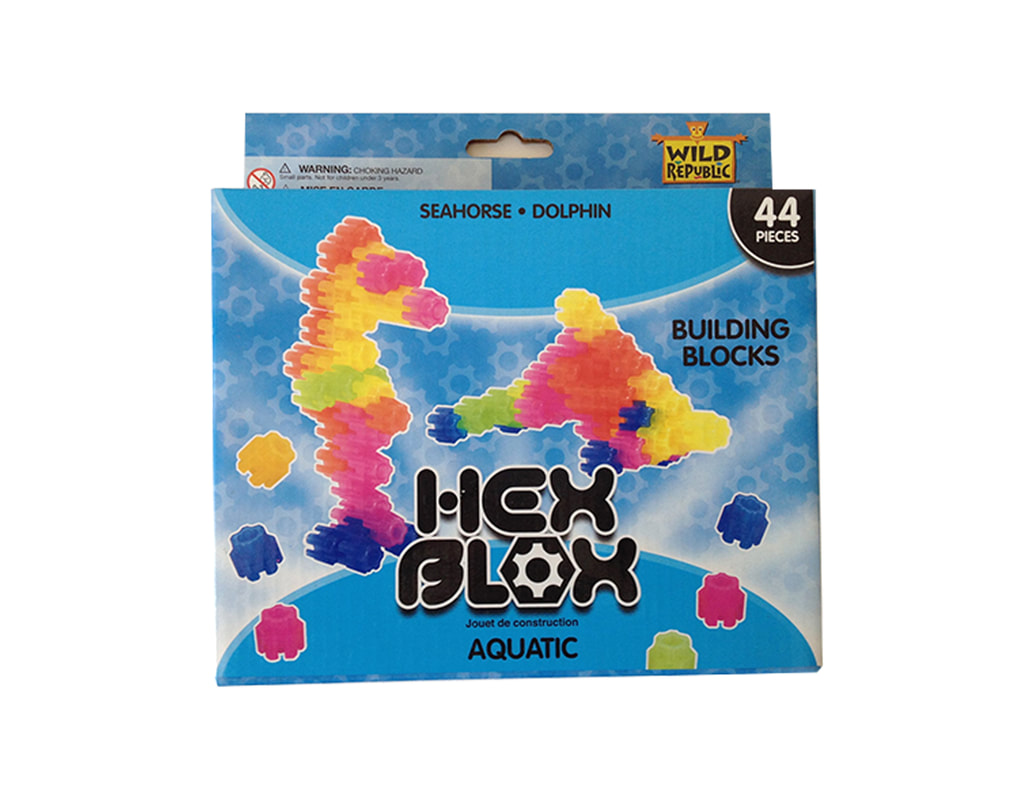
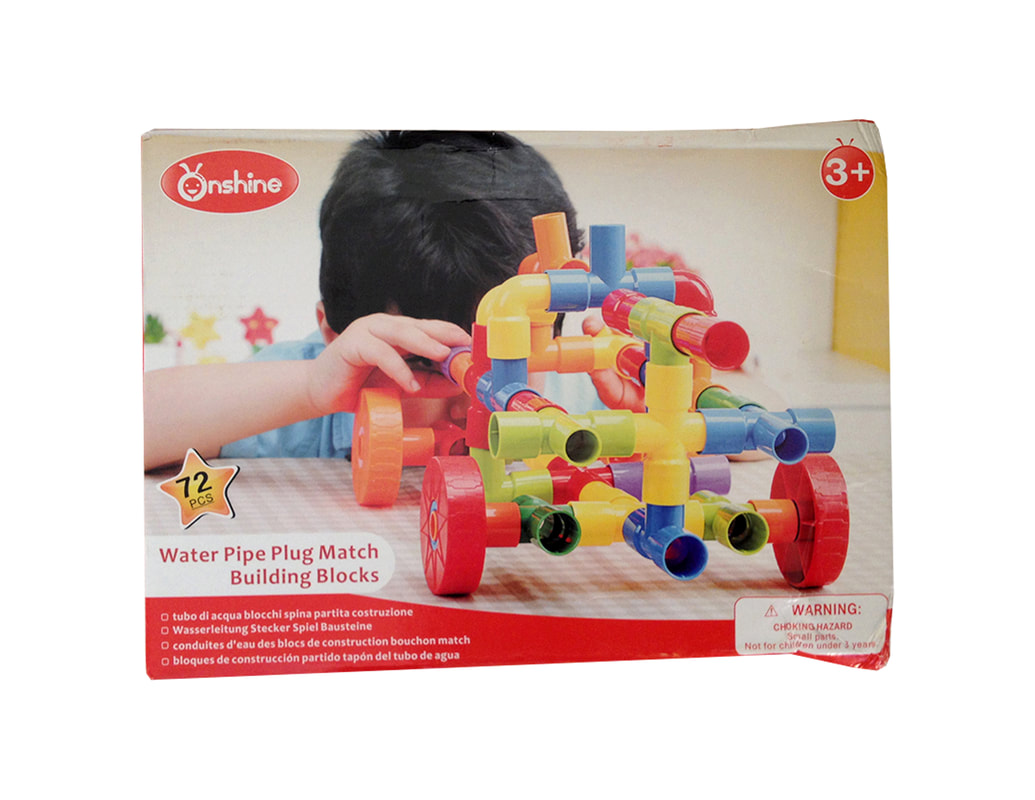
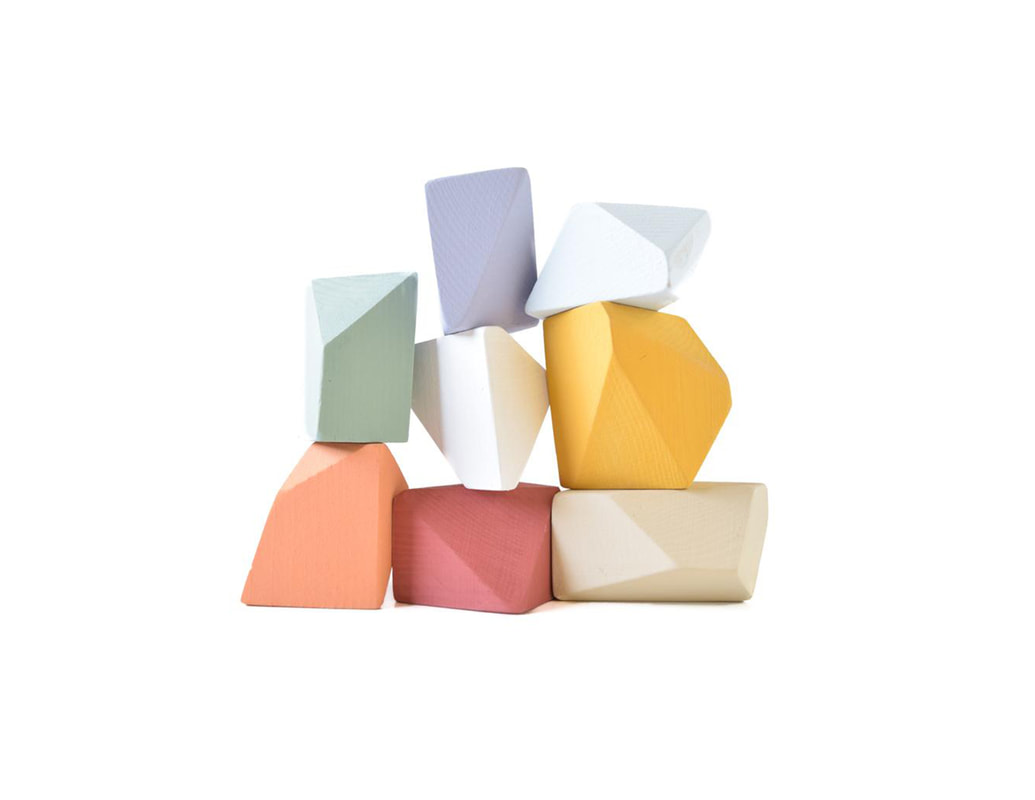
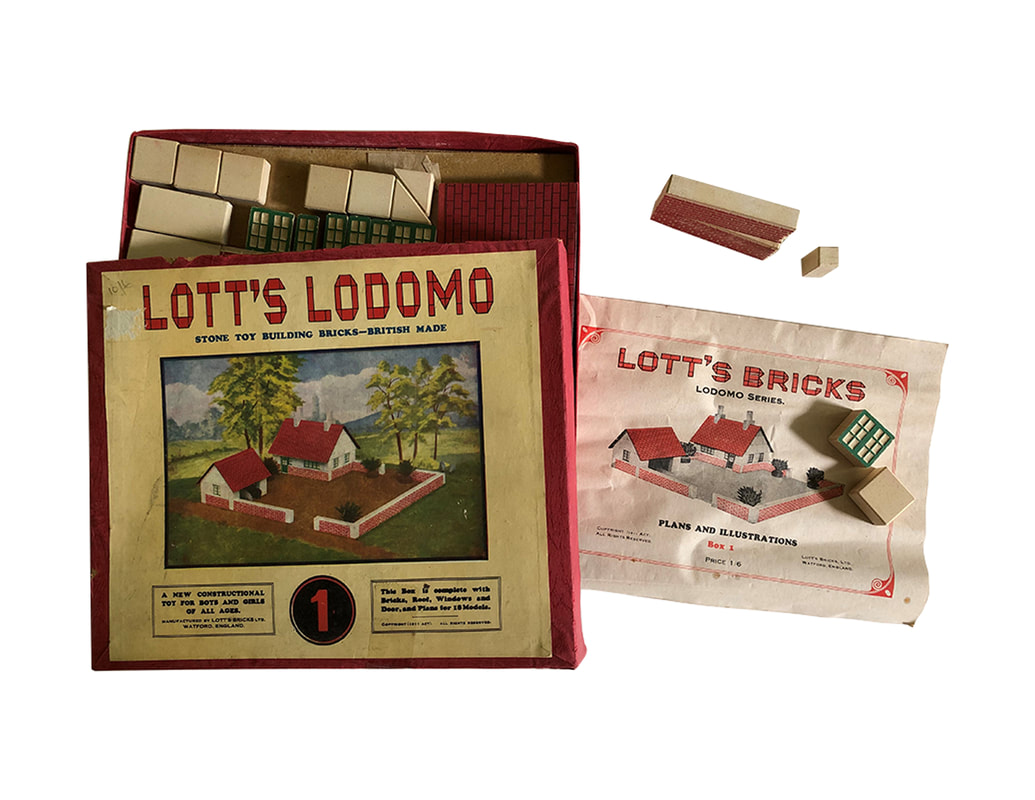
Commercial production of blocks began in the mid-19th century, often as a side-gig for carpenters or those in other construction-related fields. Then and now, blocks could/can be described as having three main functions – as alphabet or picture blocks, as construction blocks, and as a way to pass on cultural heritage, values, and knowledge (Hewitt, 2001). The first two are pretty self-explanatory, but the third offers ample opportunity for an internet deep-dive/rabbit-hole situation (speaking from experience). Combing though building block history, each new iteration that sprang up carried aesthetic influences specific to its country and era of origin. Germany’s Richter blocks, first seen in 1880, were made to look like stone and stacked to form castle-like buildings in the fairy-tale, gothic style common in Germany at that time. Lott’s Bricks, from 1911, were described as producing “good, plain British buildings” (Vale & Vale, 2013). And LEGO bricks, which now delight minds (and occasionally cause harm to the feet of children and adults everywhere) began with only three colours: red, yellow and blue in emulation of Dutch painter Piet Mondrian. Interestingly, Cold War era education in western countries amped up block-based learning in an effort to encourage STEM subjects for the future democratic, space-race winning workforce (Hewitt, 2001) . . . proving blocks aren’t such a simple matter, after all. Scroll to check out the blocks in our collection! - Nadine Lowden, June 2021
References & Sources
Hewitt, K. (2001). Blocks As a Tool for Learning: Historical and Contemporary Perspectives. Young Children, 56(1), 6-13. Retrieved June 8, 2021, from http://www.jstor.org/stable/42727894 Vale, Brenda., & Vale, Robert. (2013). Architecture on the Carpet: The Curious Tale of Construction Toys and the Genesis of Modern Buildings. Farnborough: Thames and Hudson Ltd. 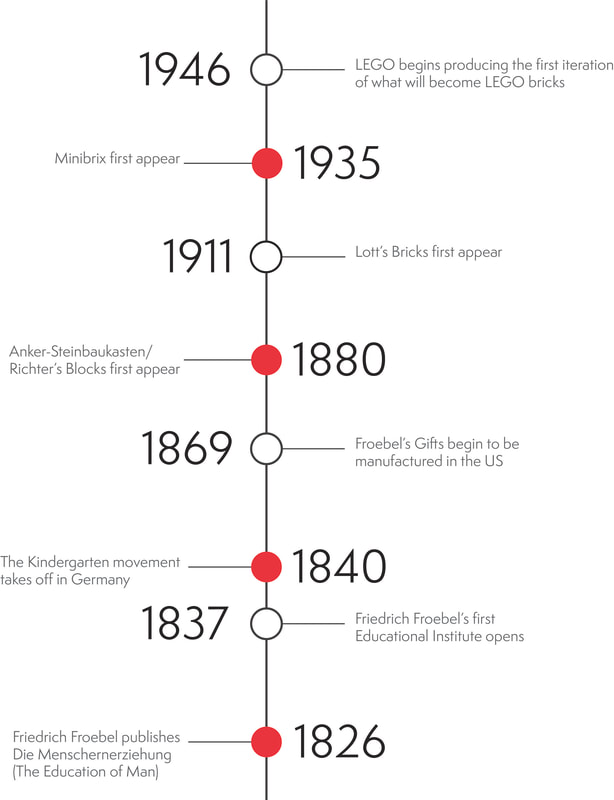
|
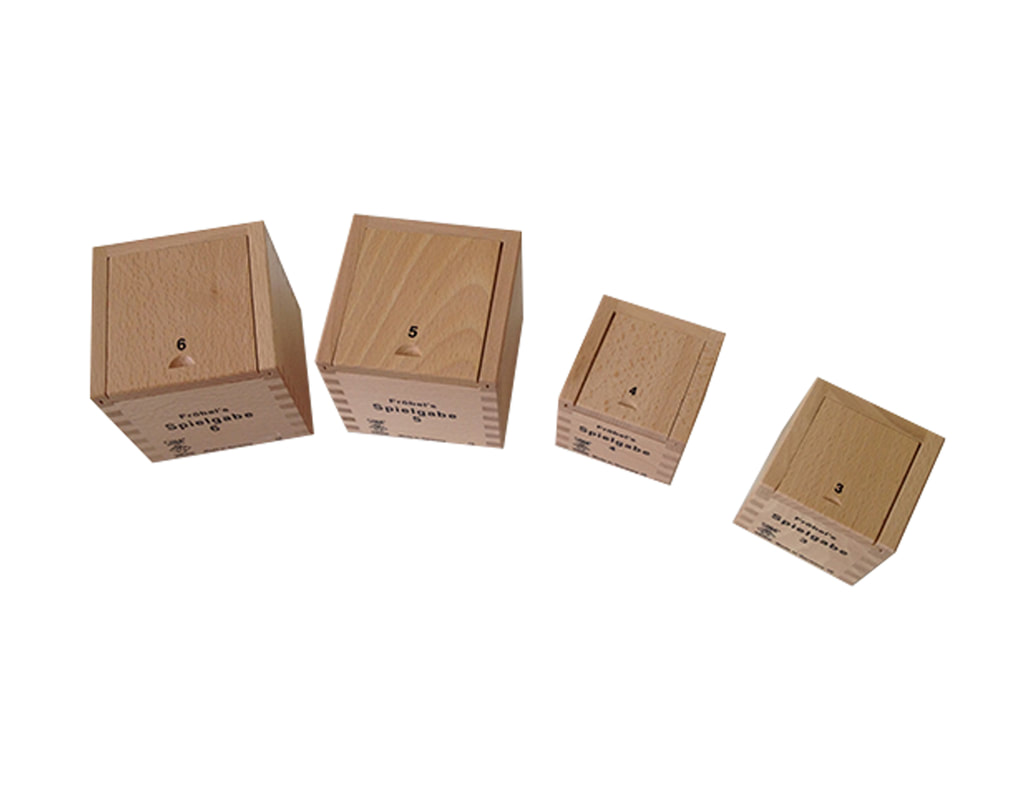
Friedrich Froebel's "Gifts" were some of the first educational toys
|
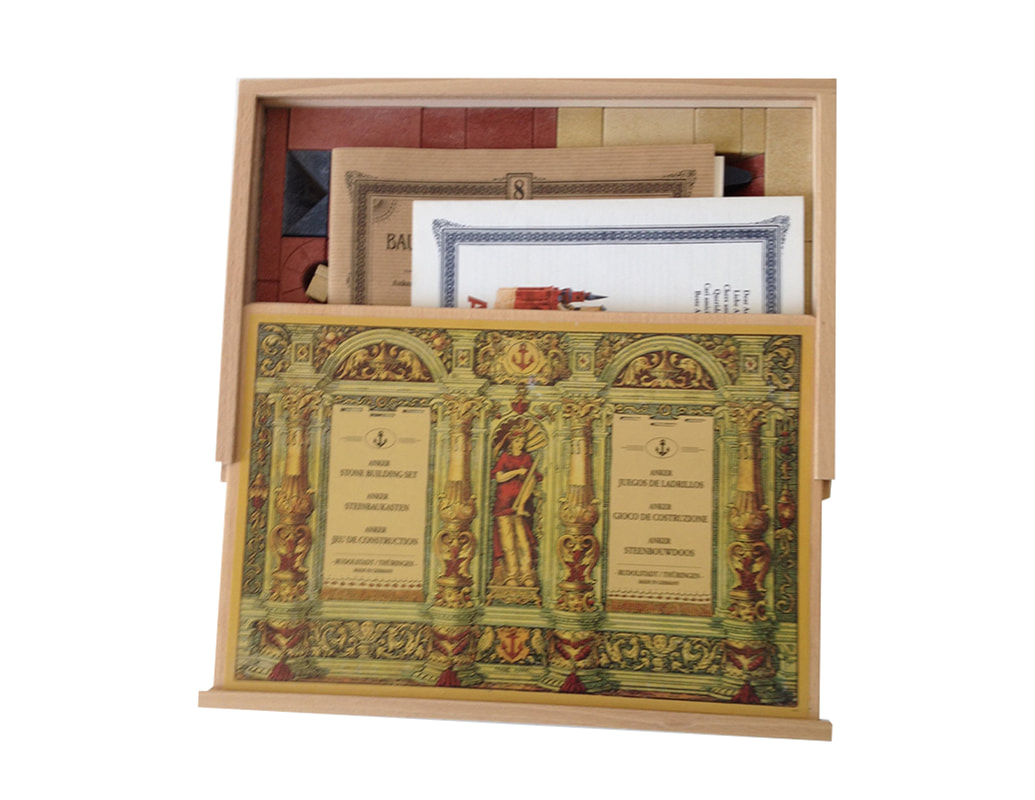
A set of Richter's Anker Stone Blocks (German: Anker-Steinbaukasten)
|
|
|
|